News
Strengthening Synergies and International Collaboration across PARC
Collaboration and knowledge exchange remain at the heart of PARC’s mission to advance chemical risk assessment and maximise its impact at European and international levels. Over recent months, a series of complementary activities have reinforced PARC’s role as a connector between scientific communities, policy frameworks, and international initiatives, highlighting the importance of synergies to address complex environmental health challenges.
PARC at the 36th SETAC Europe Annual Meeting: engaging the scientific community
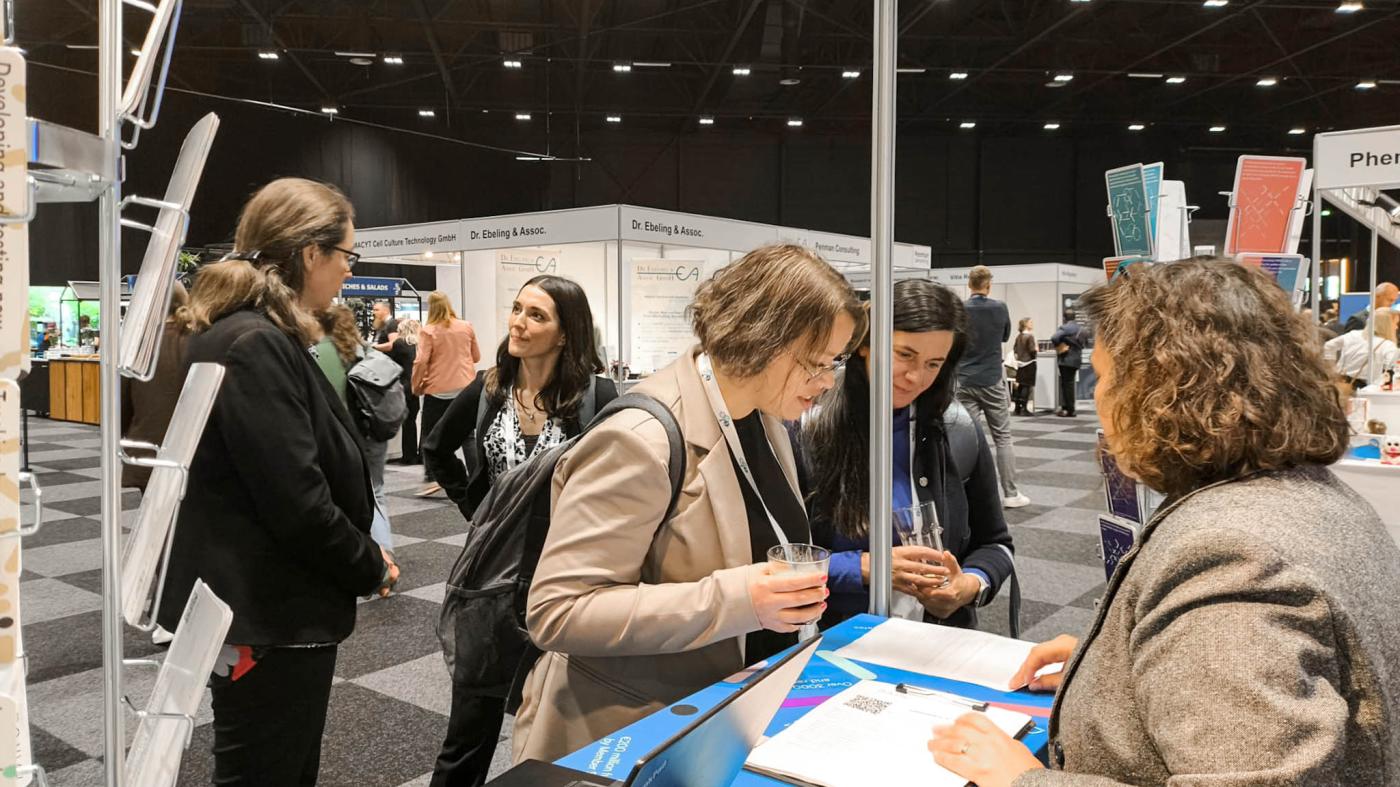
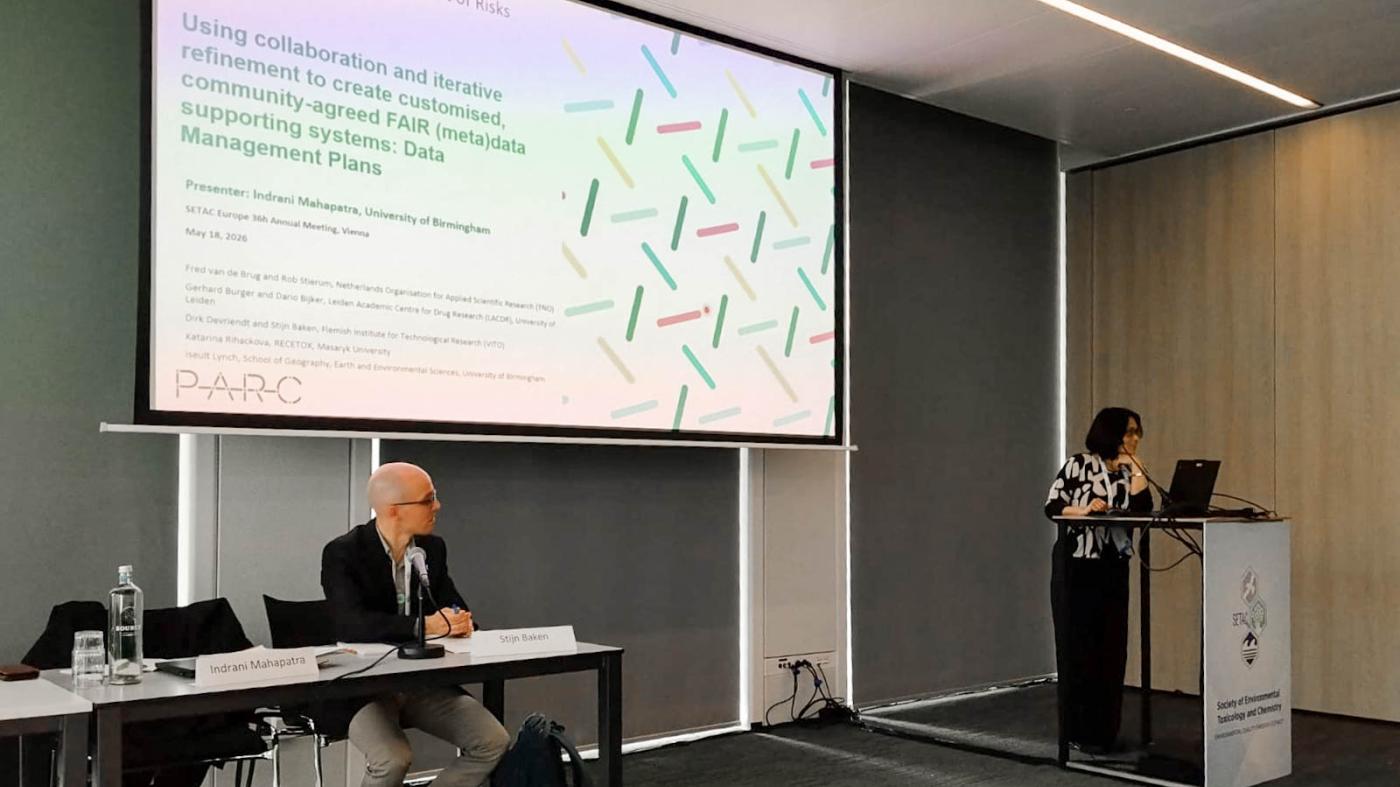
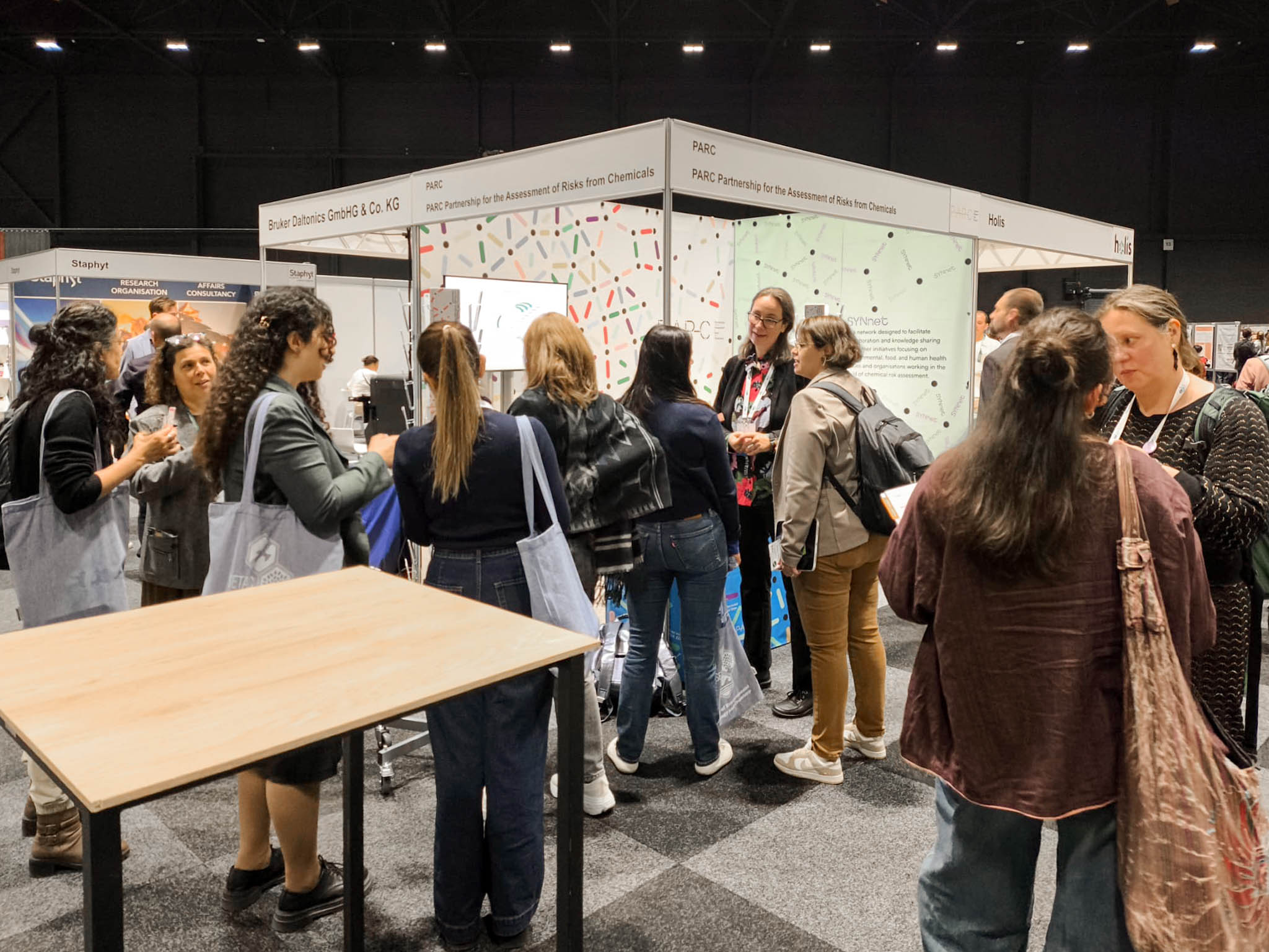
PARC maintained a strong and dynamic presence at the 36th SETAC Europe Annual Meeting that took place from 17 to 21 May 2026 in Maastricht, the Netherlands, through an active outreach campaign, including a dedicated booth and an active social media campaign. These activities amplified the visibility of PARC’s achievements and created opportunities for direct engagement with researchers, regulators, and industry representatives.
The social media campaign highlighted key achievements and ongoing work, including progress in Next Generation Risk Assessment (NGRA), New Approach Methodologies (NAMs), and human biomonitoring, while encouraging attendees to connect with PARC experts at the booth.
This combined physical and digital outreach strategy facilitated direct exchanges with the SETAC community, strengthening PARC’s positioning within the global scientific community and fostering new connections for future collaboration.
SYNnet Forum session at the Consortium Meeting
Synergies with international cooperation were further explored during a dedicated SYNnet Forum session held in the framework of the PARC Consortium Meeting that took place on 8–9 June 2026 in Dublin, Ireland.
In an introductory presentation entitled “International Collaborations and Synergies: PARC impact on international stage”, Sónia Namorado showcased how PARC is building bridges with major global initiatives in her presentation.
The session brought together a diverse set of perspectives illustrating how PARC is contributing to and benefiting from collaboration with major international initiatives. The session’s programme included a presentation from Valeria Dulio on “NORMAN–PARC Collaboration: Achievements, Lessons Learned and Perspectives”, which highlighted the progress in monitoring emerging contaminants and strengthening data-sharing frameworks. This was followed by Gabriele Treu presenting the synergy between “TerraChem and PARC – Quantifying chemical impacts to biodiversity”, exploring innovative approaches to link chemical exposure with biodiversity impacts. Afterwards, Hubert Driven addressed “Health worries about plastics: a global issue”, focusing on the growing international concern around plastics and human health. To conclude the session, Philip Marx-Stoelting and Mirjam Luijten presented “PARC WP5 and WP6 synergies on NAMs”, demonstrating how PARC is contributing to the global advancement and regulatory uptake of alternative testing strategies.
Altogether, the session demonstrated the added value of aligning methodologies, sharing expertise, and building coordinated approaches to improve chemical risk assessment on a global scale.
Fourth SYNnet Workshop: expanding collaboration with the ExpoHealthNet cluster
The Fourth SYNnet Workshop, held on 19 November 2025, marked an important step in strengthening collaborations with the ExpoHealthNet cluster. Bringing together scientists from PARC and five Horizon Europe projects, the workshop created a dynamic space to identify synergies and align research priorities.
Discussions focused on joint work to characterise environmental exposures and health effects, particularly in vulnerable populations, as well as opportunities for collaboration in NAMs, data sharing, and policy development. Participants also emphasised the importance of FAIR data principles and the role of shared platforms such as PARCopedia in facilitating knowledge exchange.
The workshop highlighted a shared commitment to translating scientific knowledge into practical tools and policy recommendations, paving the way for more integrated approaches to chemical risk assessment in Europe.
Third SYNnet Forum: advancing knowledge and regulatory impact
On 19 September 2025, the Third SYNnet Forum in Athens brought together researchers, regulators, and stakeholders to exchange knowledge on innovative scientific approaches and their translation into regulatory practice.
TThe Forum highlighted progress within PARC, particularly in areas such as NGRA, NAMs, and knowledge management, while emphasising the importance of collaboration, data harmonisation, and the development of shared tools to support regulatory implementation in line with the EU Chemicals Strategy for Sustainability. The event also benefited from strong synergies with the broader toxicology community by taking place back to back with the EUROTOX 2025 congress, further reinforcing its role as a platform for dialogue between science and policy.
By fostering dialogue between science and policy, the Forum reinforced the importance of collaboration, data harmonisation, and shared tools to address emerging chemical risks and support a transition towards safer and more sustainable chemicals management.
Taken together, these activities illustrate how PARC is actively building and consolidating synergies across projects, disciplines, and regions. By promoting dialogue, aligning scientific approaches, and strengthening collaboration with international partners, PARC is contributing to a more integrated and impactful framework for chemical risk assessment, ultimately supporting the protection of human health and the environment.