News
Can human brain-like models improve how we test chemicals for neurotoxicity?
Current approaches to neurotoxicity testing rely heavily on animal studies, which are often costly and time-consuming. This limits the ability to assess the growing number of chemicals that may affect the human nervous system.
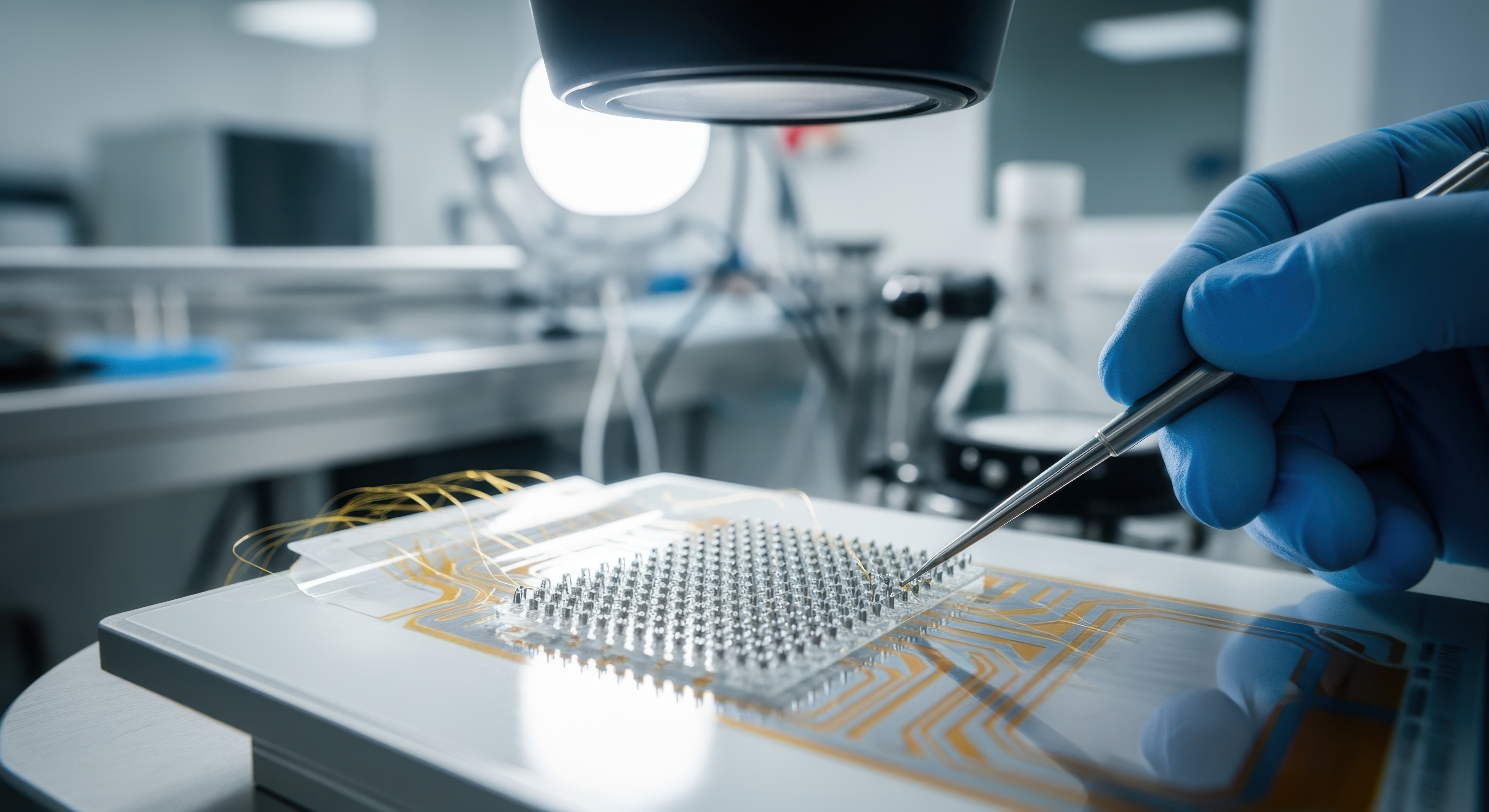
A recent study presents advanced human-derived 3D BrainSphere models, combining neurons and supporting cells, to better mimic brain function in the laboratory. Using microelectrode arrays and a technique called spike sorting, researchers were able to detect and distinguish signals from different types of neurons within the same network.
This led to the development of a new test method – the human multi-neurotransmitter receptor (hMNR) assay – which can identify how chemicals interact with key neurotransmitter systems.
These findings mark an important step towards more human-relevant, mechanism-based approaches for neurotoxicity testing, with potential applications in chemical safety, drug development and disease research.
Read full paper here.