News
New PARC chemicals section helps citizens explore health effects, exposure sources and EU action
What are PFAS? Where can exposure to phthalates come from? How do chemicals such as bisphenols or mercury enter the body, and why are they a concern for health?
To help answer these questions, PARC has launched a new chemicals section on its website, bringing together accessible information on selected chemicals and substance groups in a single, easy-to-navigate space.
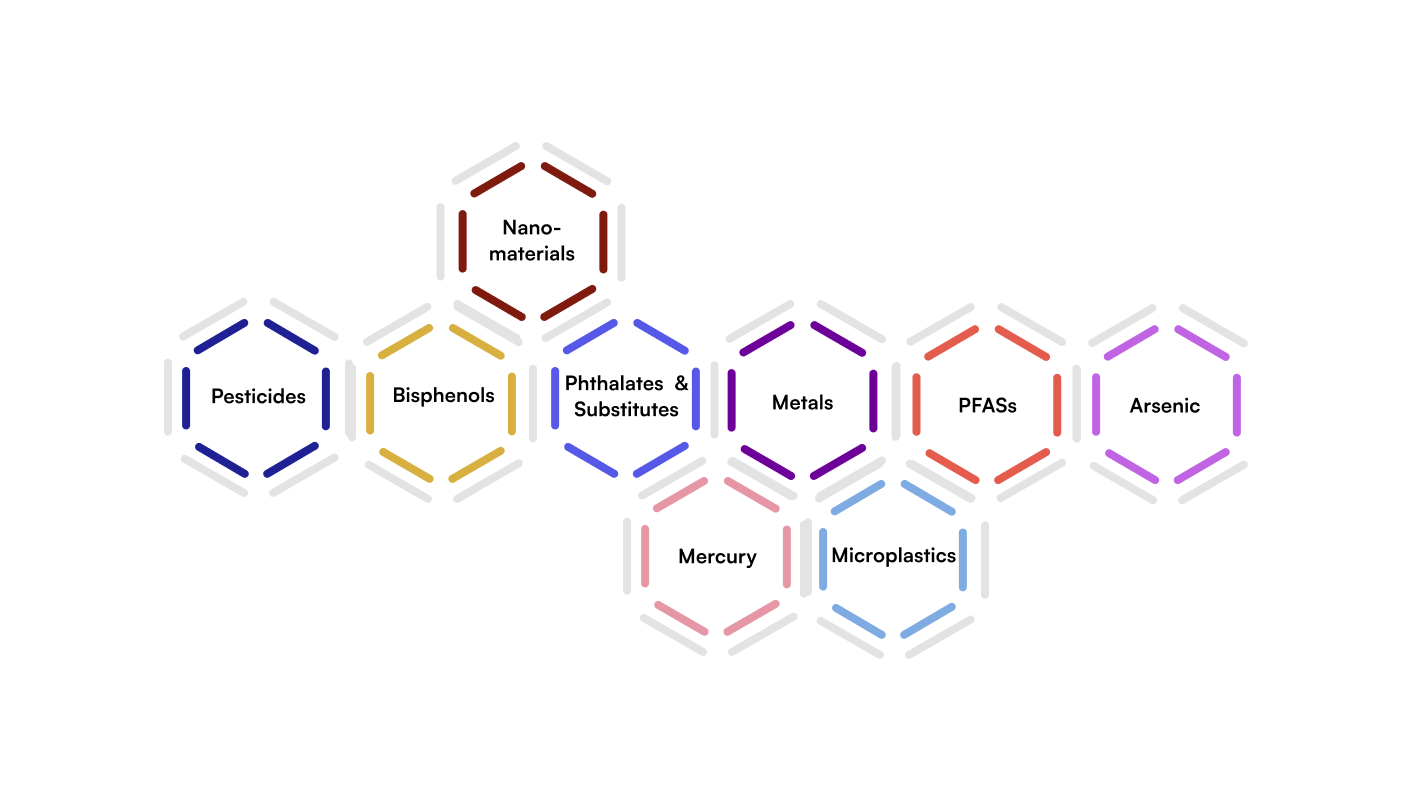
Users can explore information from different perspectives. They can start with a specific chemical, discover where exposure may occur in everyday life, learn about potential health effects, or explore the wider scientific and policy context. The section currently covers substances including arsenic, bisphenols, mercury, pesticides, PFAS and phthalates, with additional chemicals to be added over time. The content continues to be developed in collaboration with PARC's chemical group leaders.
Our goal is to make reliable scientific information on chemicals easier to access and understand. By bringing together information on chemicals, health, EU action and PARC research in one place, we hope to help citizens and professionals alike navigate this complex topic, highlighted Stefanie Raps, German Environment Agency, PARC Chemical Lead for phthalates and substitutes
The section caters to different audiences and levels of expertise. The "Overview", "Health Effects" and "Exposure Sources" pages provide accessible information for citizens interested in learning more about chemicals and health. For users wishing to explore the topic in greater depth, the "What the EU does" and "What PARC does" sections provide more technical information on European policies, regulatory initiatives and ongoing scientific research.

The "What the EU does" section explains how legislation, policies and regulatory initiatives contribute to reducing risks from hazardous chemicals and protecting human health and the environment. It also includes a short survey for each substance, where visitors can share their views and concerns. We invite you to take part and help us better understand what matters to citizens across Europe.
The complementary "What PARC does" section highlights how the partnership contributes to advancing chemical safety through research, monitoring, innovative methods and scientific collaboration. It provides an entry point to PARC's wider work and allows users to discover the projects, tools and knowledge being developed to support next-generation chemical risk assessment in Europe.
By bringing together information on chemicals, health effects, exposure pathways, European policy and scientific research in one place, the new section makes complex topics easier to understand while offering a gateway to PARC's broader work on chemicals, exposure and health.