News
PARC Consortium Meeting 2026: Advancing collaboration for a sustainable future
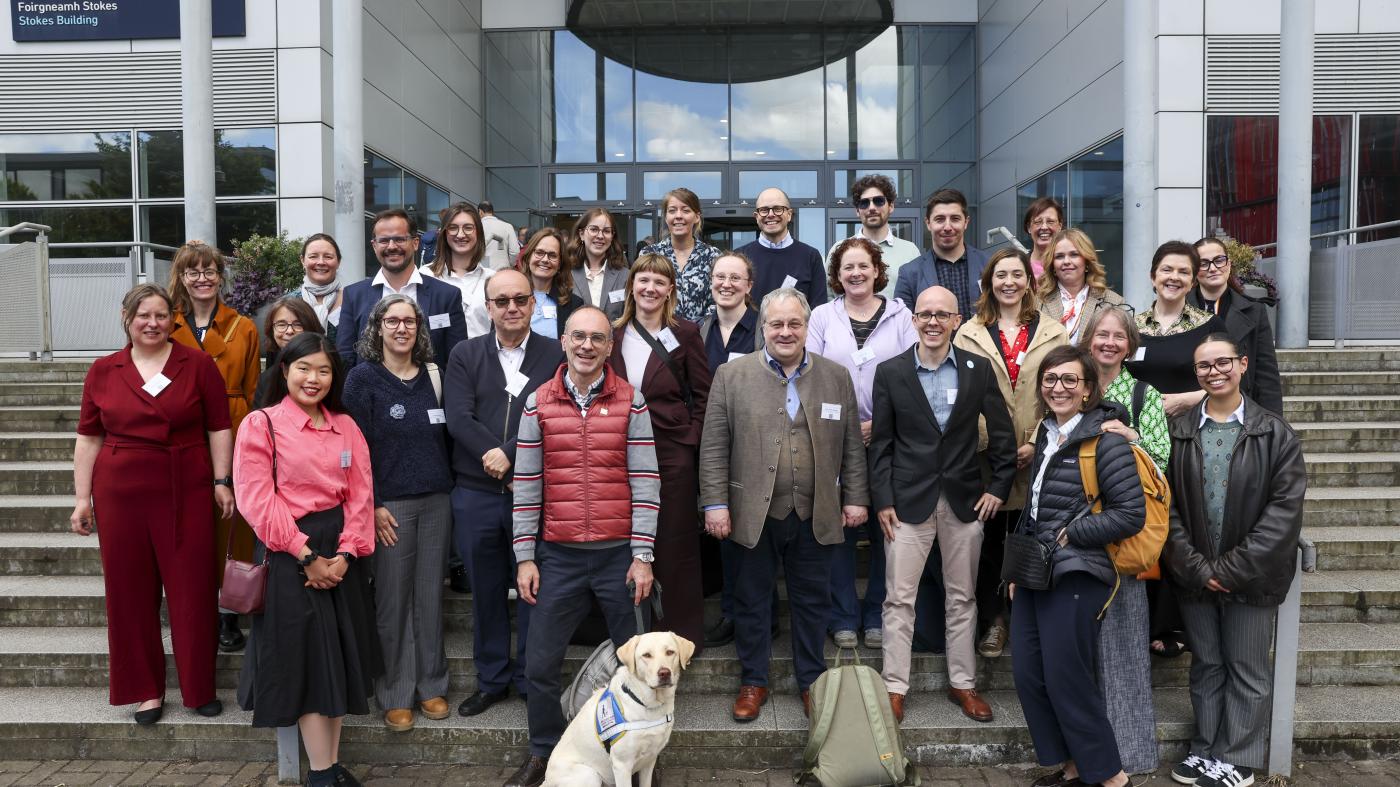
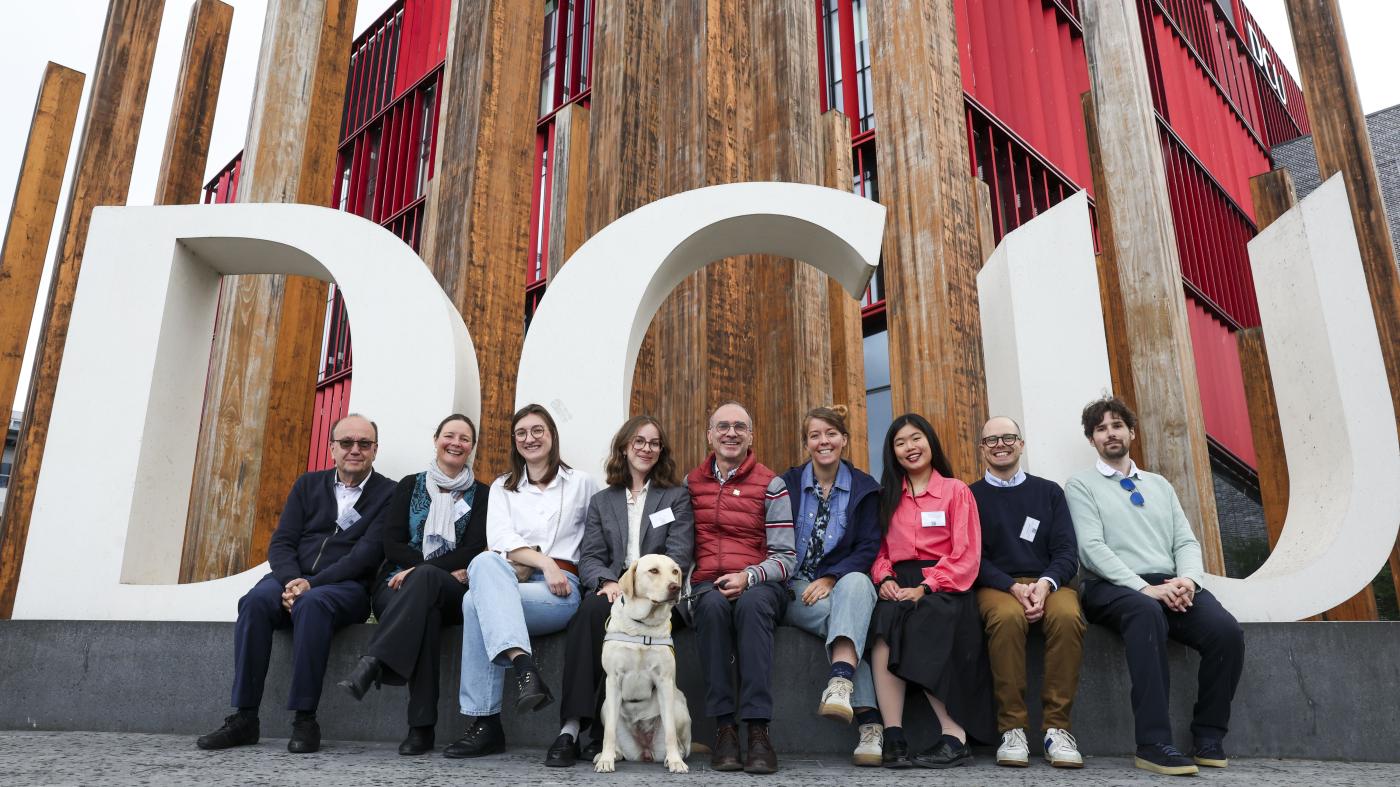
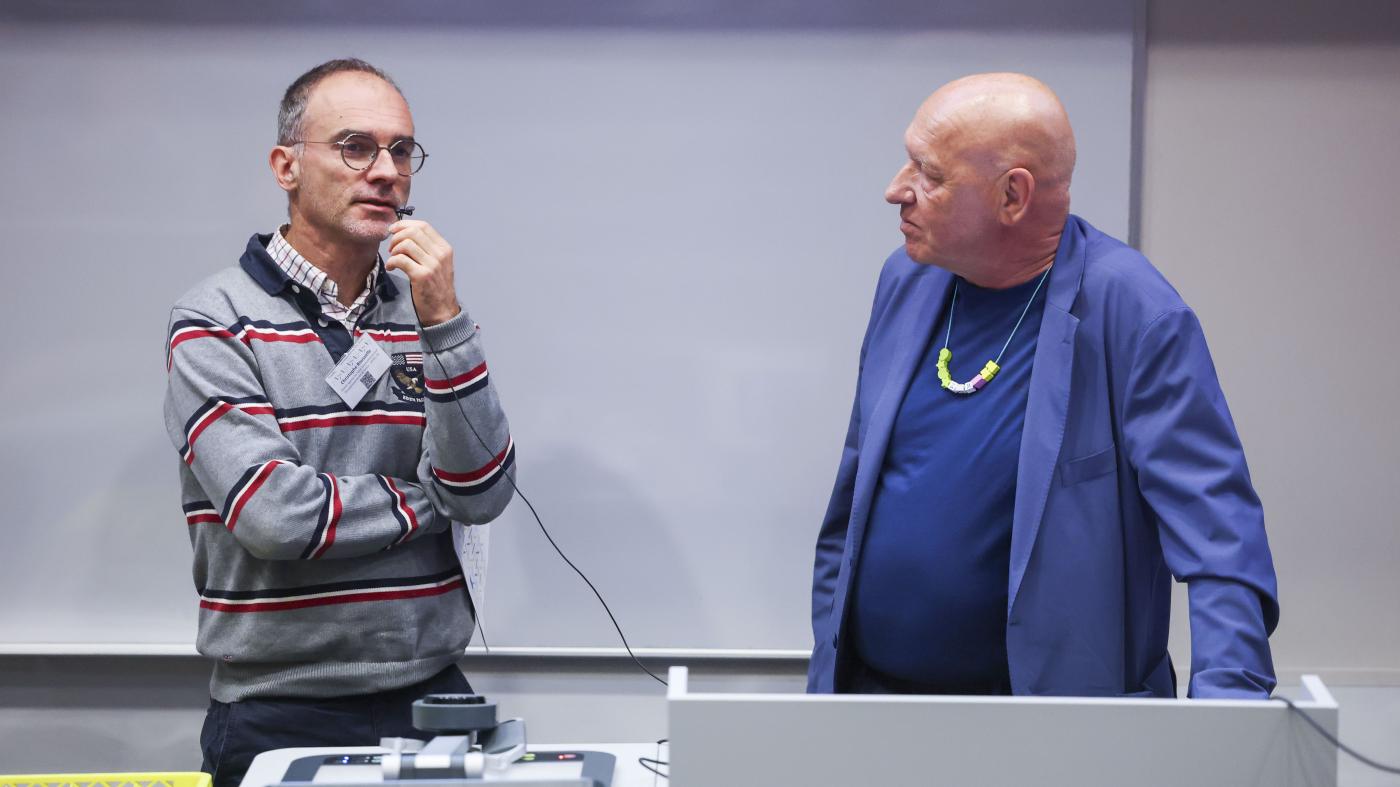
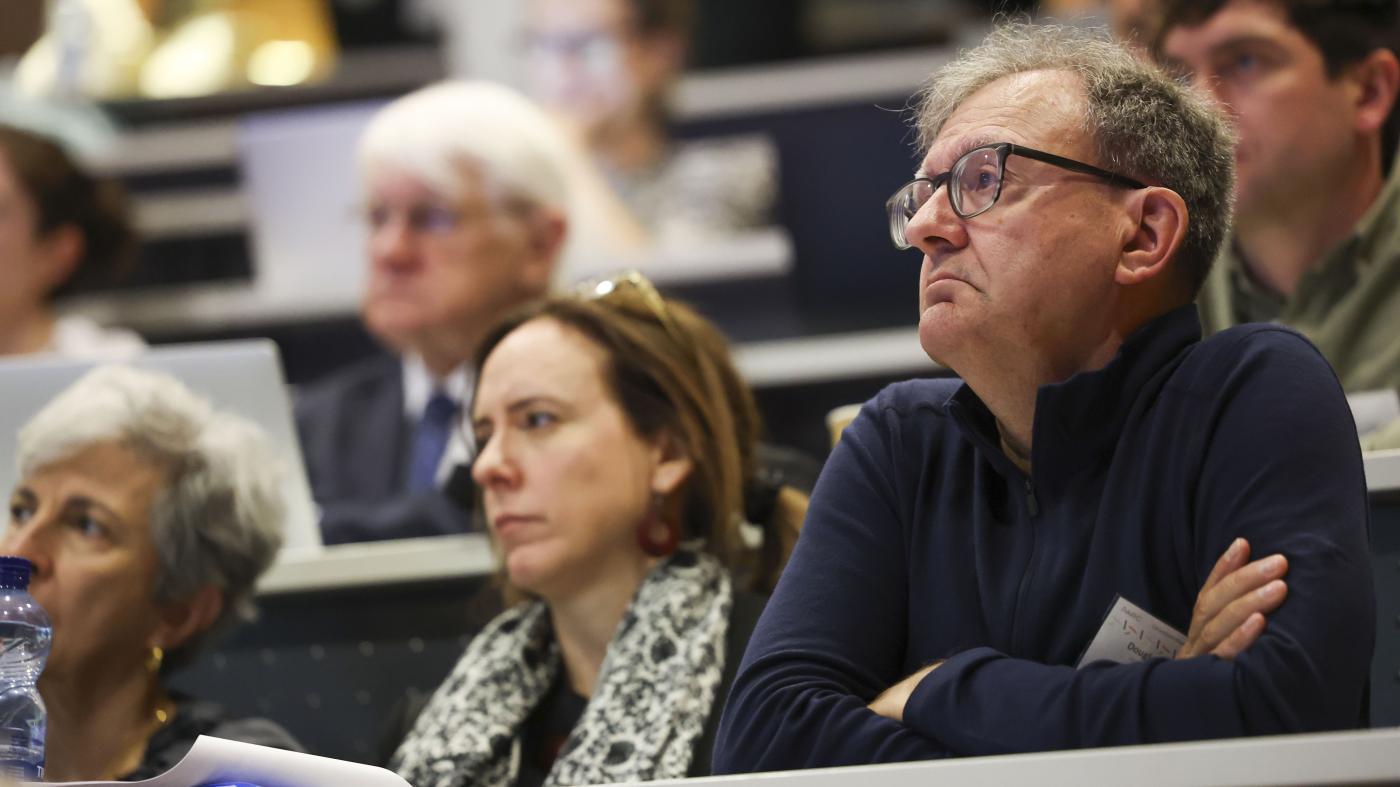
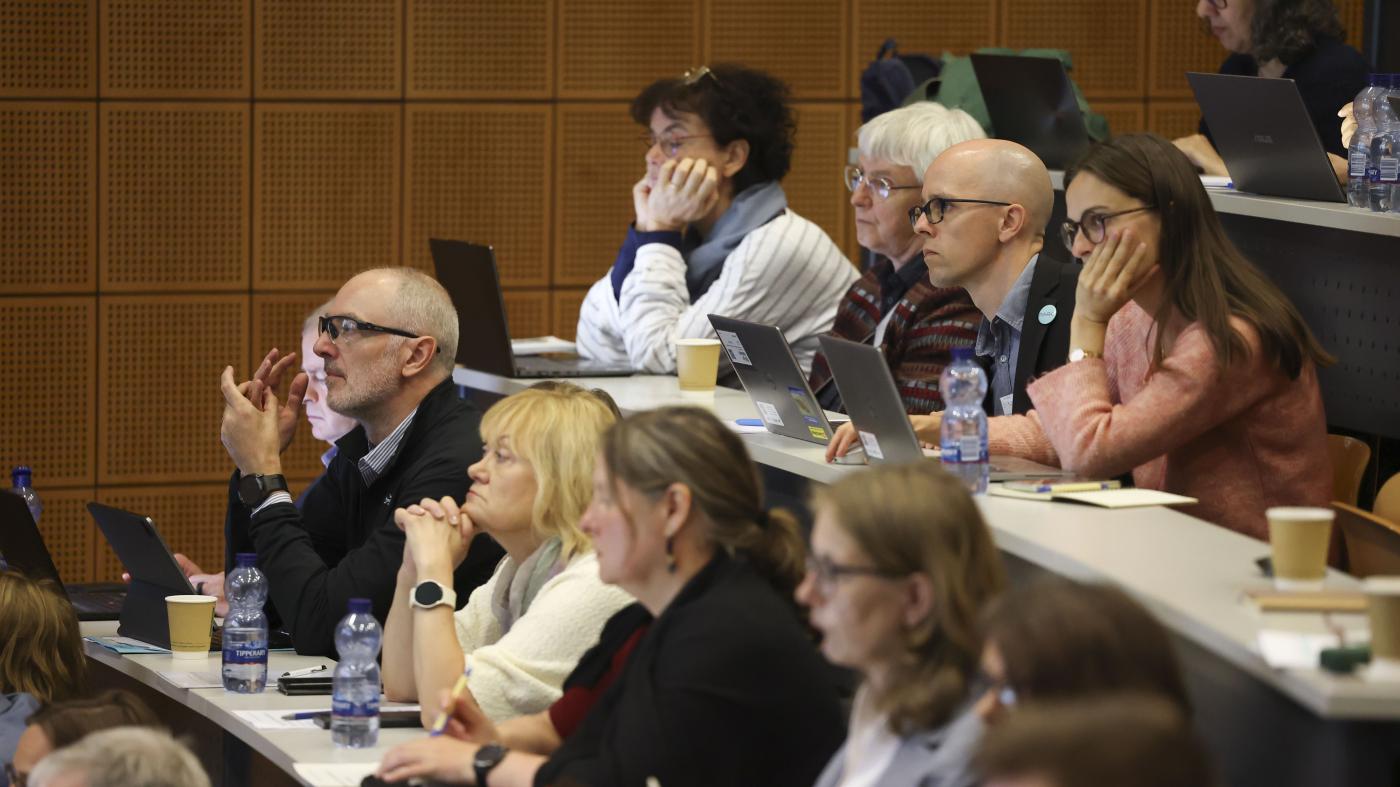
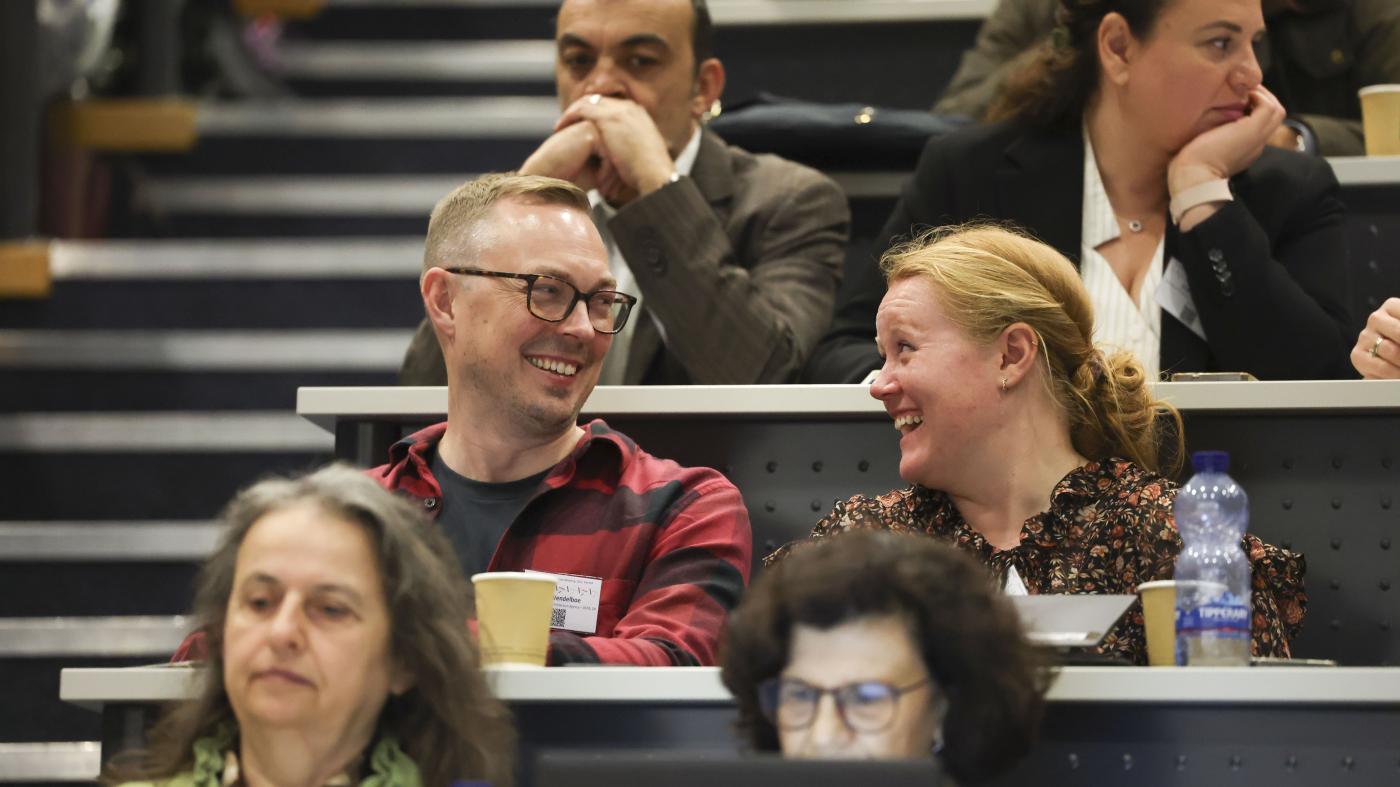
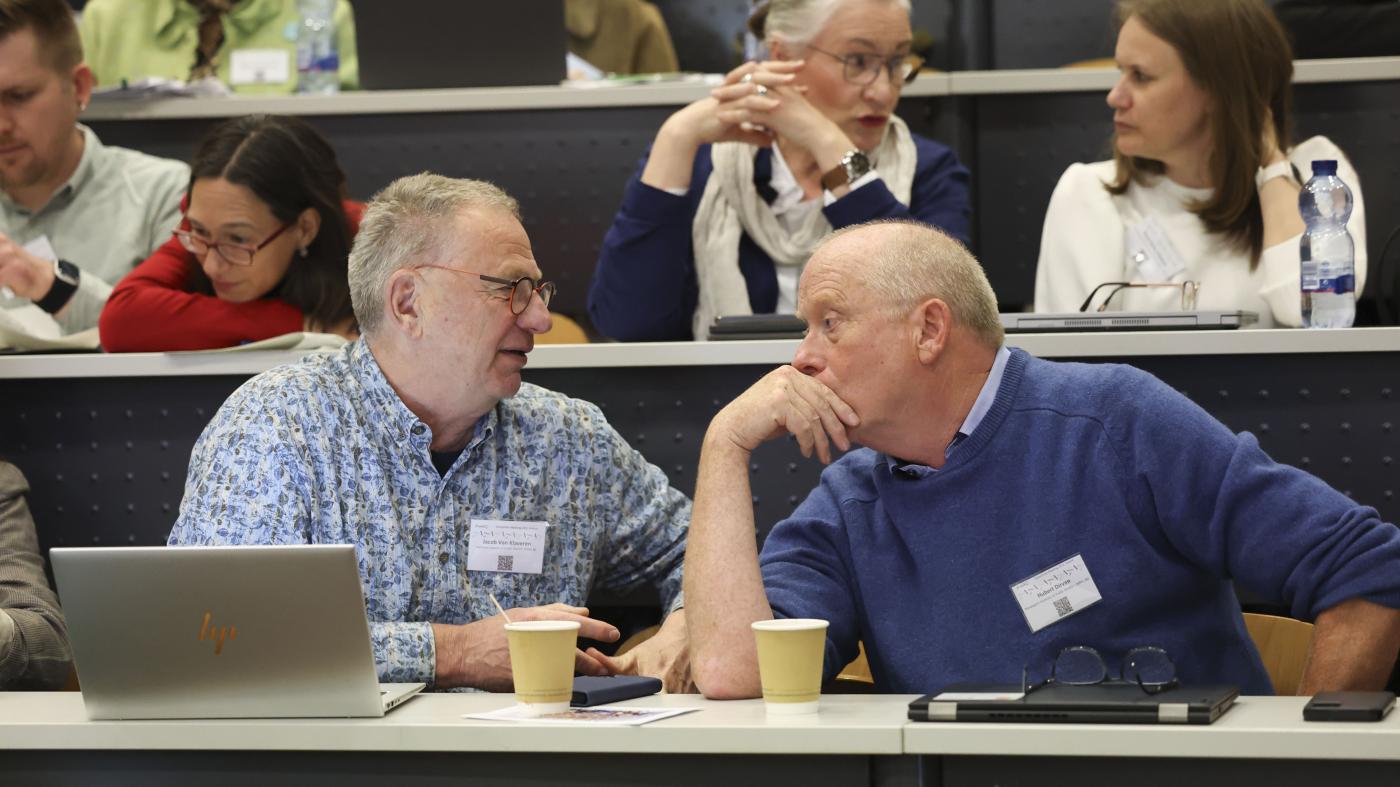
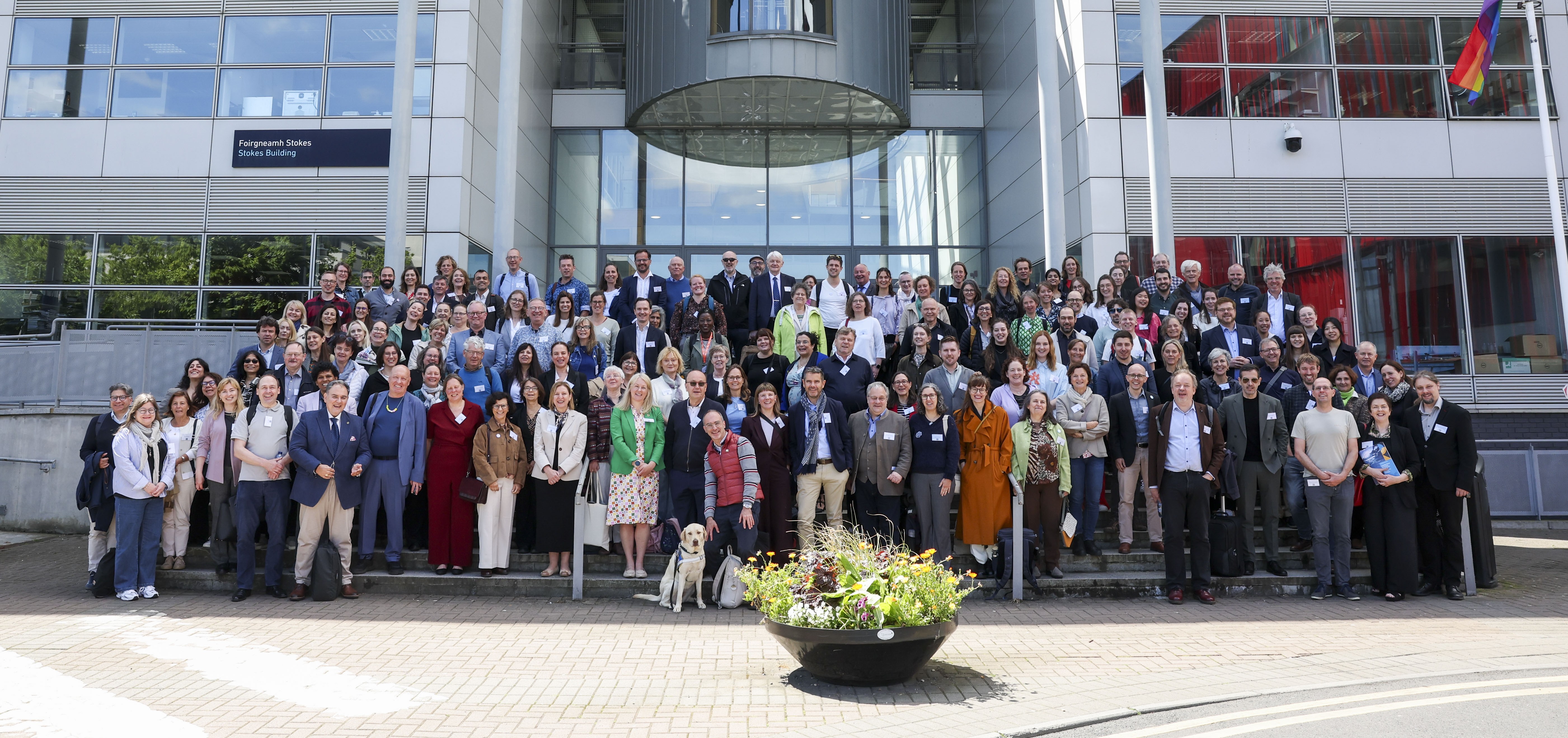
The 2026 edition of the PARC Consortium Meeting, held from 8–11 June 2026 at Dublin City University ↗ (DCU), Ireland, brought together nearly 200 representatives from PARC partner organisations, alongside more than 100 online participants. As the partnership enters its fifth year, the biannual meeting provided an opportunity to review progress, exchange knowledge, strengthen collaboration, and discuss how PARC's scientific outputs can continue to support European chemicals policy throughout the remainder of the project and beyond.
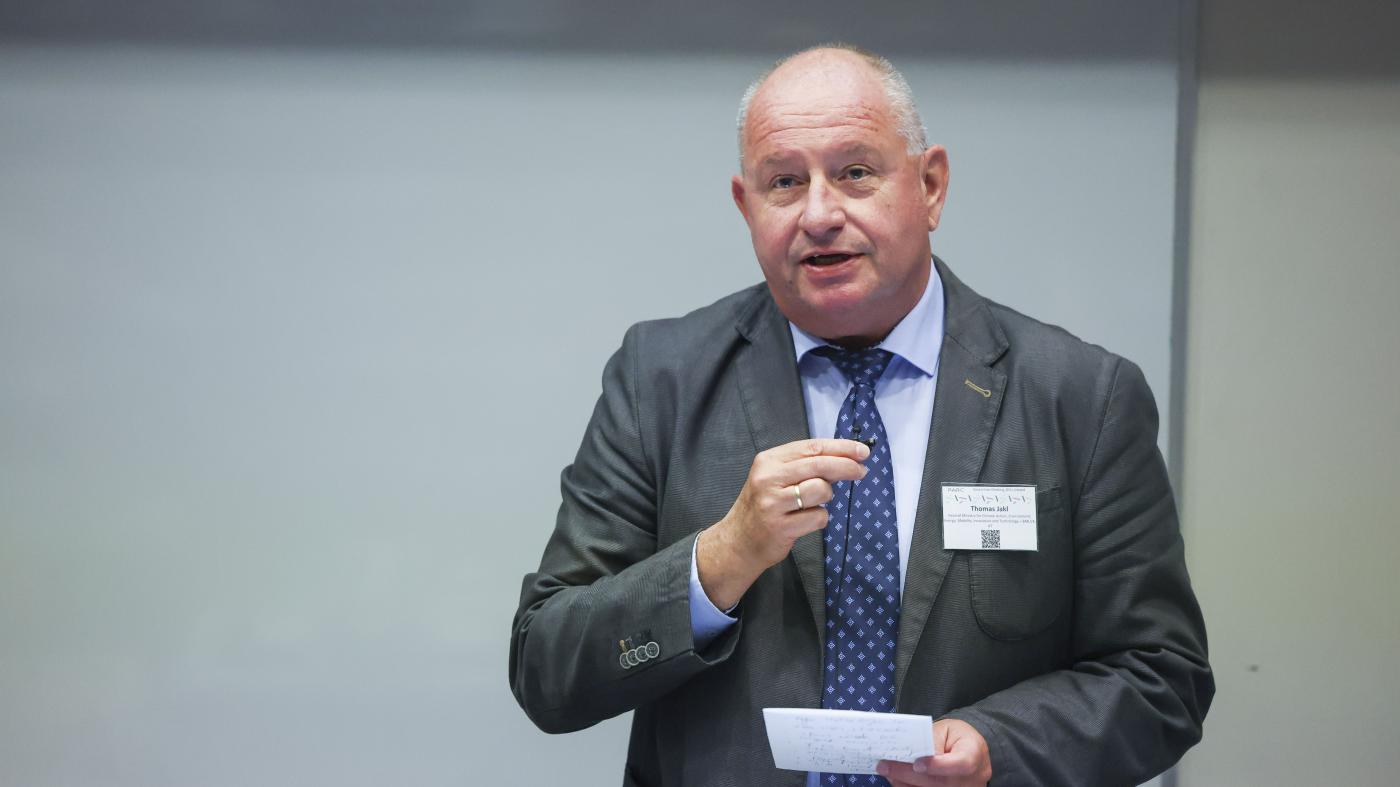
The meeting opened with the Grant Signatory Board meeting, followed by the PARC General Assembly. Participants were welcomed by Pascal Sanders, PARC Coordinator, and Blánaid White, Executive Dean of DCU's Faculty of Science and Health. Welcome addresses were also delivered by Roni Hawe (Irish Environmental Protection Agency), Carsten Schierenbeck (European Commission), and Thomas Jakl on behalf of the PARC Governing Board, highlighting the importance of continued collaboration between science and policy in addressing chemical safety challenges across Europe.
The opening session concluded with an inspiring keynote lecture on artificial intelligence by Thomas Hartung (Johns Hopkins University), who emphasised the need to combine "the rigor of an evidence-based approach with the throughput of an AI system" to accelerate scientific innovation while maintaining high standards of evidence.
The General Assembly continued with updates on the PARC work plan, key achievements, and the partnership's indicator framework. This was followed by a high-level plenary session on science-to-policy, focusing on the European Commission's perspectives on the One Substance, One Assessment ↗(OSOA) initiative and recent policy developments. Representatives from ECHA ↗, EFSA ↗, and EEA ↗ discussed how research generated within PARC can better support regulatory decision-making and respond to evolving policy needs.
A central feature of this year's General Assembly was its strong emphasis on participation and collaboration. Two interactive breakout sessions enabled participants to exchange ideas, identify future priorities, and discuss how PARC's scientific outputs can maximise their impact. Each session began with state-of-the-art presentations from experts before participants worked together to identify practical solutions to three key questions:
- How do PARC results address current and future regulatory needs?
- How can the application and dissemination of PARC results be improved?
- How can the sustainability of PARC activities and outcomes be ensured beyond the project?
The first breakout session, "Focus on topics", covered:
- New approach methodologies and next-generation risk assessment: The PARC contribution
- Human biomonitoring in PARC and beyond: Future and current standing of human biomonitoring in Europe
- Chemicals and biodiversity
- Aggregate exposure: Progress made and future challenges
The second breakout session, "Focus on substances", explored:
- Navigating the PFAS frontier: Integrated strategies for monitoring, hazard characterisation and regulatory action
- Microplastics and nanomaterials: Sensitive and robust approaches for measuring microplastics and nanomaterials in environmental and human samples
- PARC – BPA alternatives: From data to regulatory use
- Connecting pesticide-related projects in PARC
Alongside the plenary programme, several practical workshops were delivered in a hybrid, hands-on format, offering participants hands-on training in:
- Harmonised integrative risk assessment using the MCRA Toolbox
- PARC Data Management Plan
- Early warning system and the SSbD Toolbox ↗
- PBPK modelling, including the TK Plate
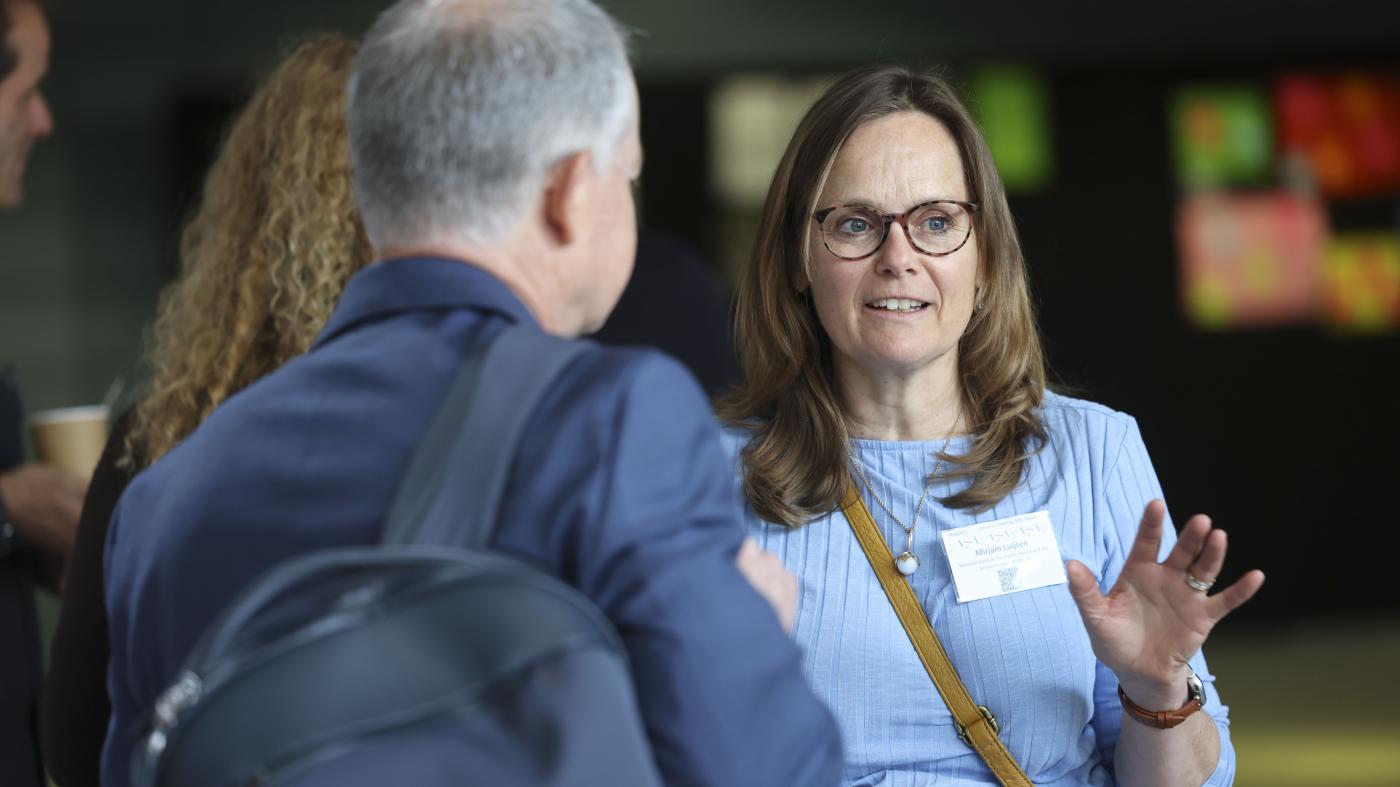
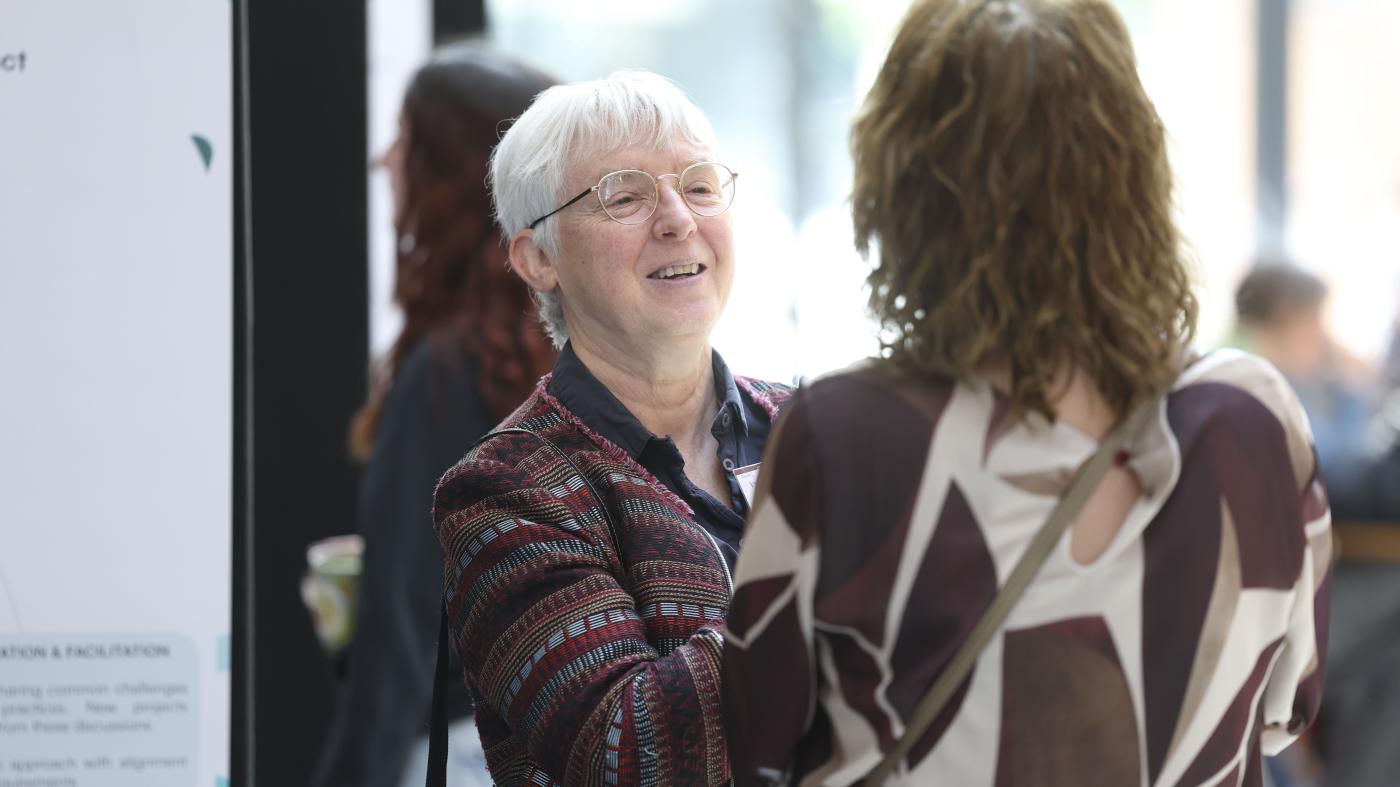
Knowledge exchange continued throughout the meeting during the poster sessions, where more than 50 scientific posters were displayed. Nearly half of the posters were prepared with the involvement of one or more members of the PARC Junior Community, underlining the growing contribution of early-career researchers to the partnership and its future.
The second day concluded with a plenary session dedicated to the PARC Exit Strategy and Sustainability, encouraging participants to consider how PARC's scientific outputs, research infrastructures and collaborative networks can continue generating impact well beyond the project's lifetime.
As Carsten Schierenbeck (Head of Unit, Industrial Transformation, European Commission) highlighted during the discussions:
There need to be partnerships that demonstrate tangible results and added value—that will be key to making the case for future partnerships. Sustainability must extend beyond our funding. We need long-term structures that can deliver on core objectives independently of the EU Framework Programme.
The General Assembly concluded with closing remarks from Pascal Sanders, who summarised the meeting's key messages, acknowledged the remarkable progress achieved across the partnership, and outlined the vision for PARC's remaining activities.
Following the General Assembly, participants continued with meetings of PARC's governance bodies on 10–11 June, including the Governing Board, National Hub Contact Points, Stakeholder Forum, International Board, and the Data and Ethics Protection Board. These meetings provided valuable opportunities for in-person strategic discussions and helped define priorities and follow-up actions for the coming months.
The success of the 2026 PARC Consortium Meeting was made possible by the dedication of the organising committee, the active engagement of participants, and the excellent hosting provided by the team at Dublin City University. Their collective efforts created an excellent platform for scientific exchange, collaboration and strategic discussions that will continue to shape the final years of PARC and its lasting legacy.
Stay tuned for exclusive interviews with PARC Consortium Meeting participants, coming soon on the PARC website and social media channels.