News
PARC advances integrative risk assessment with innovative tools and hands-on training
The European Partnership for the Assessment of Risks from Chemicals (PARC) is making significant progress in better understanding how people are exposed to single chemicals and chemical mixtures via different exposure sources including food, water, soil, air, consumer products and workplaces, and exposure routes (ingestion, inhalation, dermal contact).
PARC is strengthening and harmonising integrative risk assessment across Europe by developing innovative methods, tools and concepts to assess exposure to chemicals, including chemical mixtures, and to better understand the diversity of exposure sources and routes, as well as the potential associated risk and health impacts.
Sixty institutes from twenty EU Member States contribute to this collaborative work. Four reports, available on the PARC website PARC_D6.3.pdf, PARC_D6.4.pdf, PARC_D6.4.pdf, PARC_D6.1.pdf, reflect work conducted between 2022 and 2025.
The published reports were approved and commended by the European Commission as a strong sign of cooperation towards a harmonised integrative risk assessment of exposure to single chemicals and chemical mixtures.
Innovative approaches applied to real-life case studies
A key innovation is the use of human biomonitoring (HBM) in mixture risk assessment. Chemicals are grouped by prioritised health effect, using the scientific criteria for grouping established by the European Food Safety Authority (EFSA)1. Developed methods and obtained results are published in the First report on innovative approaches for real-life mixture risk assessment. Figure 1 shows the Human Biomonitoring studies harmonised and used for the innovative mixture risk assessment.
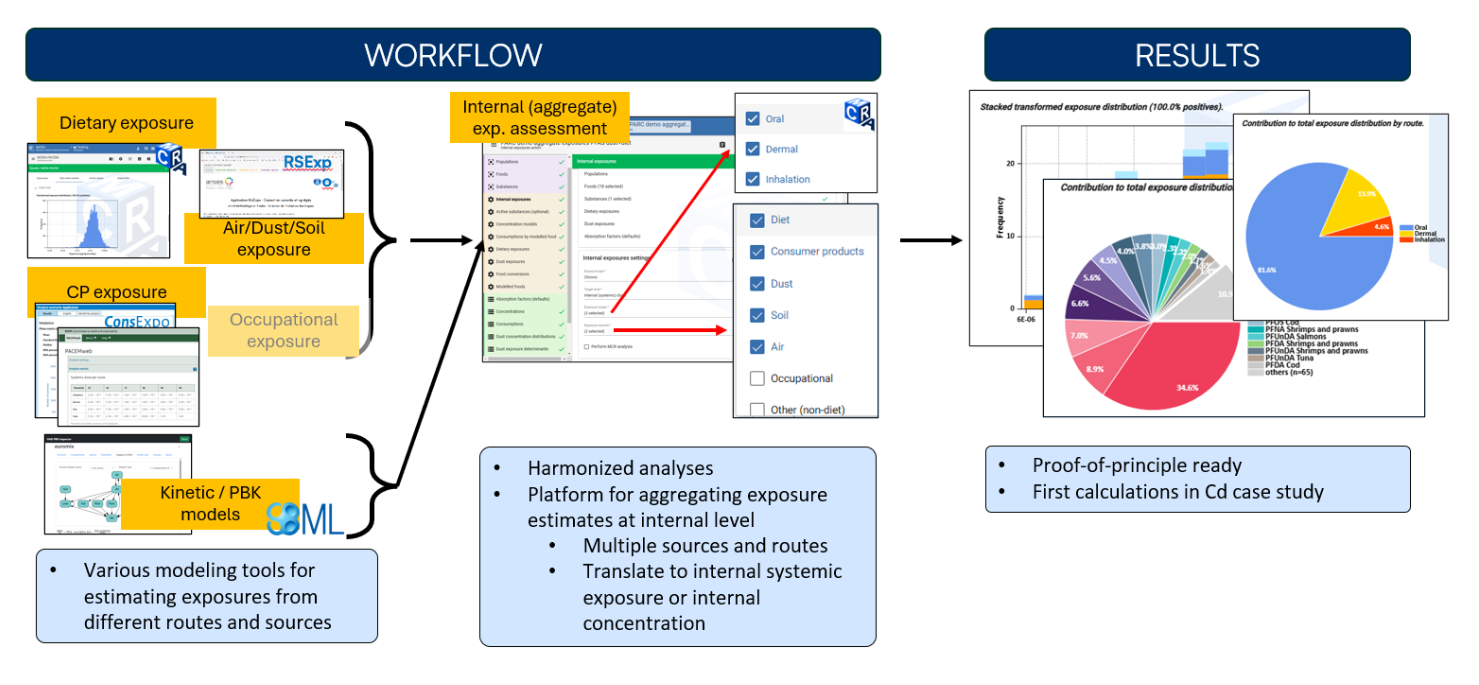
Figure 1: 35 HBM studies from 20 European countries and Greenland harmonized and organized for HBM based mixture risk assessment.
Central to this work is a harmonized assessment using the Monte Carlo Risk Assessment (MCRA) software2. The MCRA platform contains various models that can be applied to assess exposure and health risks of single chemicals and chemical mixtures in specific populations. The results showed that European populations are exposed to levels of chemical mixtures higher than considered safe, highlighting the importance of 1) better understanding the routes and sources of exposure of the risk drivers, and 2) better understanding and quantifying the associated environmental burden of disease (First report on health impact indicators and their policy implications). These insights are crucial in order to propose risk management strategies to reduce the risk and health impacts.
Aggregated exposure and PBK modelling
Understanding the sources, routes and settings of exposure, including the chemicals, food, or products, or the job activity that are highly contributing to the aggregated exposure might support appropriate measures of mitigating risk by policy makers.
Figure 2 presents the aggregated exposure assessment which combines existing data and models for exposure from the different sources (e.g. food, soil, water, consumer products, occupational exposure). The results of aggregated exposure assessment are compared with observed exposures from HBM studies (described in PARC_D6.1.pdf).
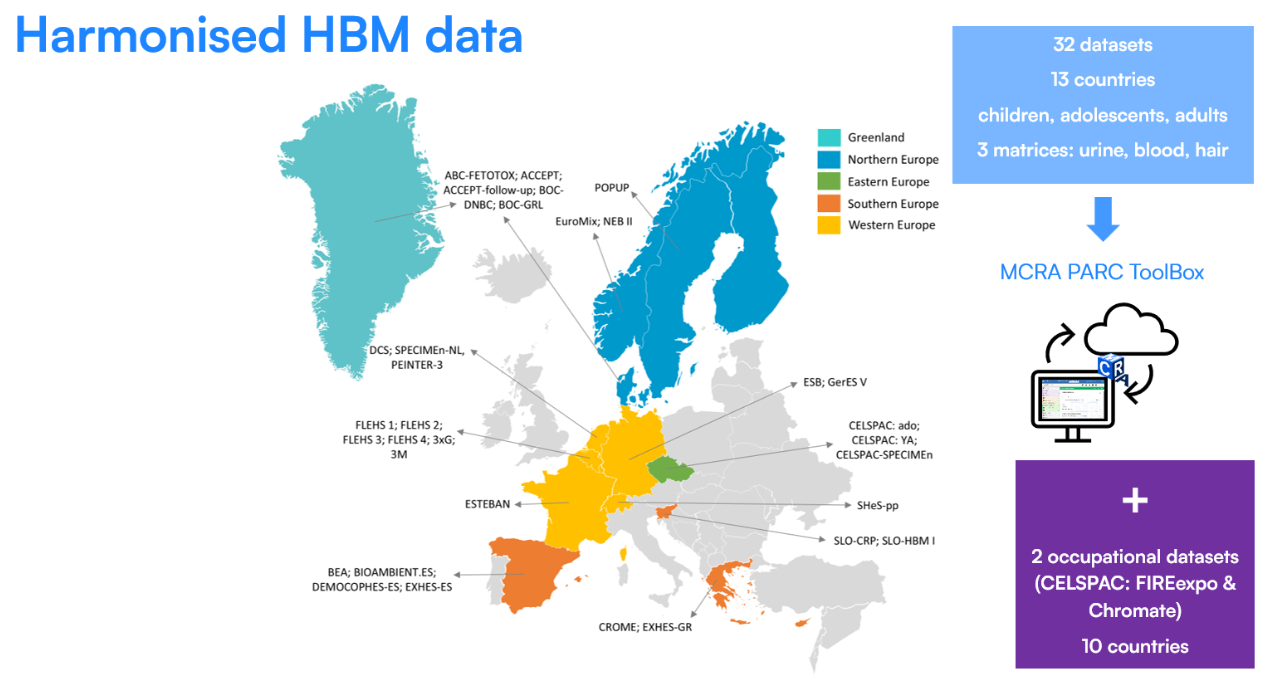
Figure 2: hands-on training linking the MCRA - software with other existing models to perform aggregate exposure and identify the sources of exposure and the chemicals significantly contributing to the exposure.
The first report on innovative methods based on PBK models, provides an inventory of PBK models that account for chemical kinetics in the human body across different life stages, including sensitive windows of exposure and less investigated routes of exposure. Kinetic models are need to aggregate exposure sources and routes and compare modelled exposures across life stages with internal concentration observed in human biomonitoring studies.
Expanded training
For implementation of mixture risk assessment, health impact assessment, aggregated exposure assessment and kinetic modeling, it is essential to have user-friendly access to data and models. These models and data have been connected and are made available to end-users through the user-friendly interface. Hands-on training in the use of the software, provided to European Agencies, was evaluated as highly meaningful, and will therefore be expanded to national institutes responsible for risk assessment, through available training packages.
Further education will include webinars specifically tailored for risk managers. These webinars will focus on harmonised mixture risk assessment using human biomonitoring data, aggregated exposure and health impact assessment as published in the integrative risk assessment deliverables.
Looking ahead: new projects from 2026
Four new projects on integrative risk assessment, part of a co-creation process between PARC and European Agencies, are planned for a period between 2026-2029. These projects will analyse newly aligned HBM datasets covering a broader range of chemicals, with the goal of reducing uncertainties in innovative single and mixture risk assessment models.
Through continued collaboration, training and information sharing with risk managers, PARC aims to advance chemical safety and strengthen regulation policies. By raising awareness and supporting measures to reduce combined exposure to multiple chemicals across multiple sources and routes, it is positioning integrative single and mixture risk assessment as a cornerstone of future European chemical safety policy.