News
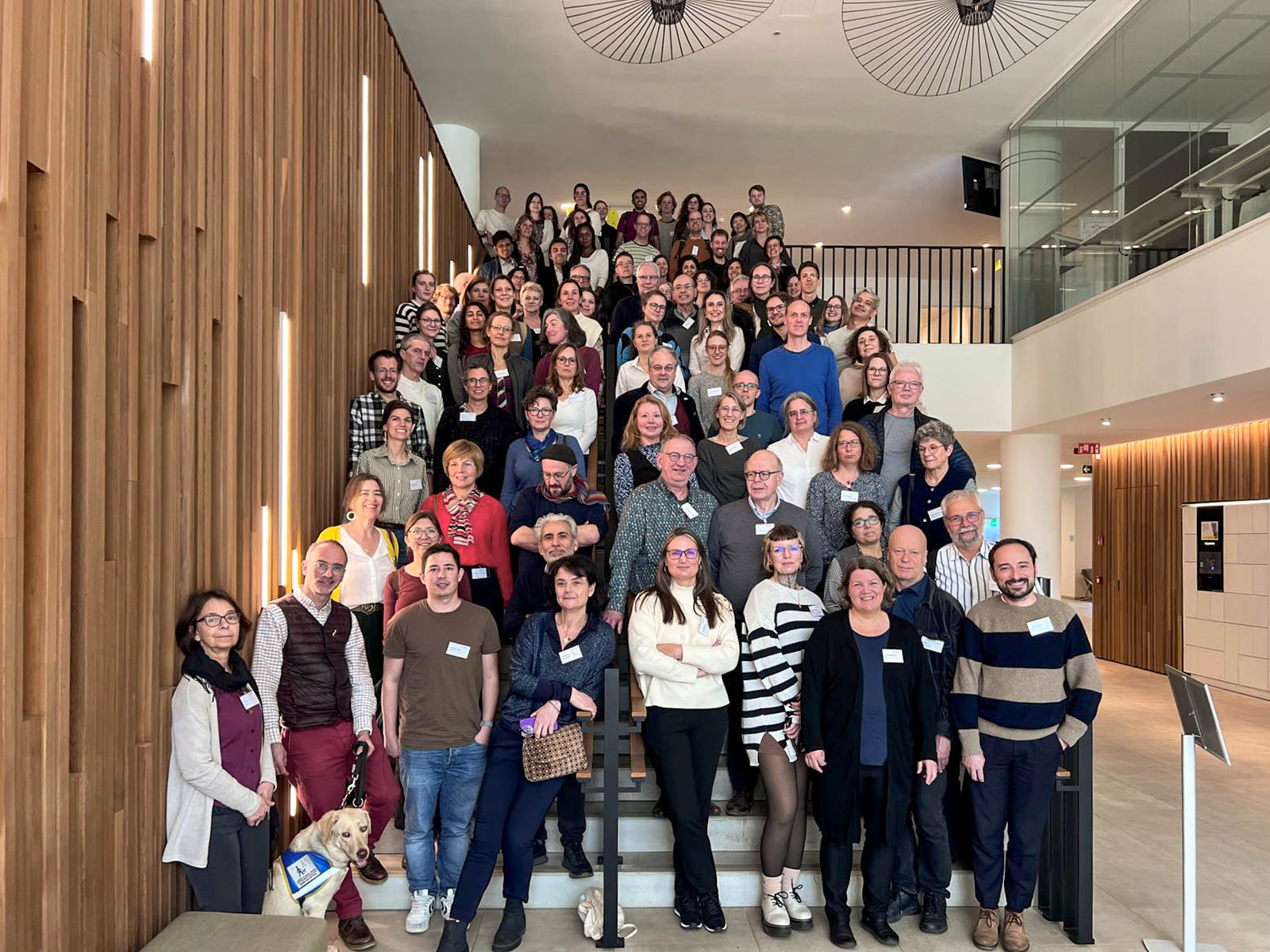
WP6 Workshop 2026 in Brussels highlights progress on regulatory relevance, innovation and collaboration
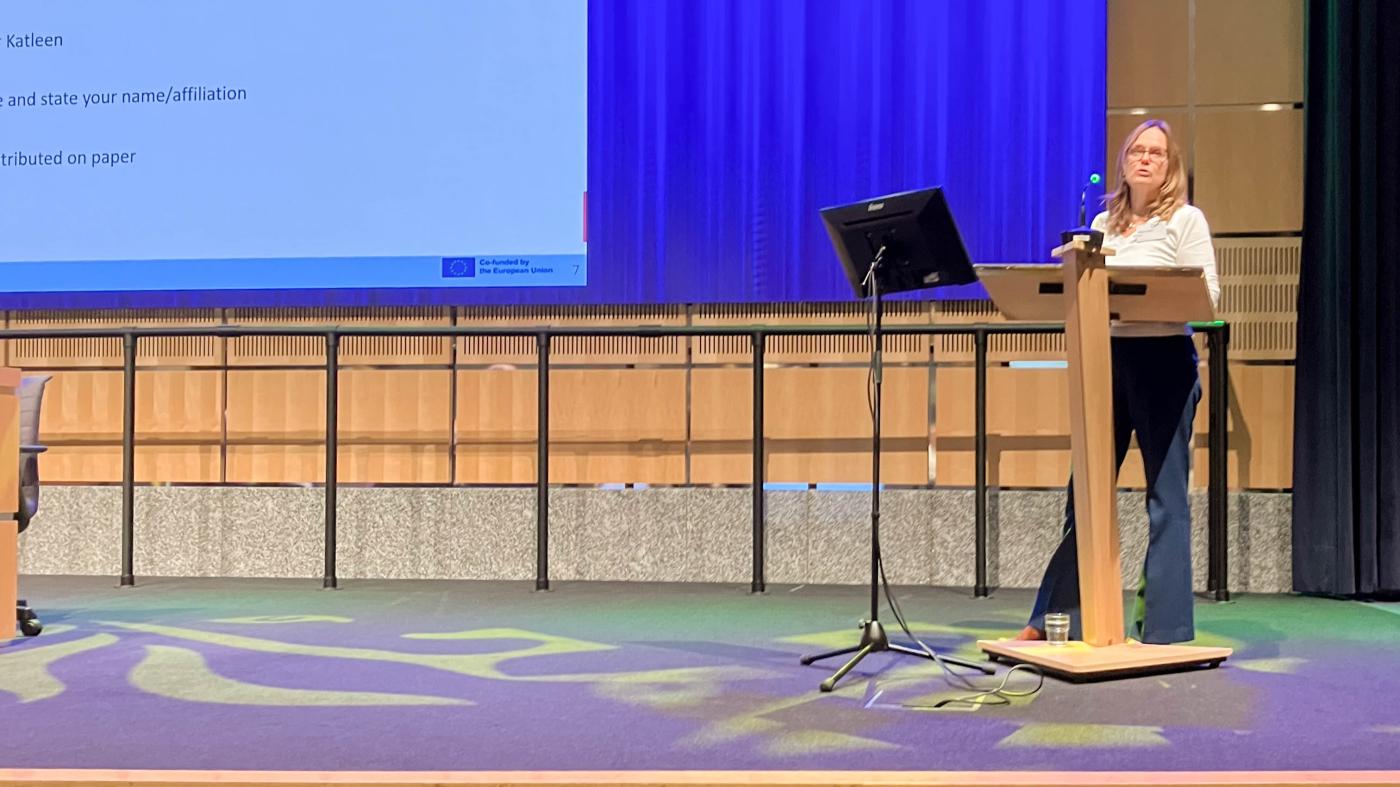
The WP6 Workshop 2026, held in Brussels between 4 and 6 March, brought together participants for several days of discussion, exchange and practical work focused on strengthening the regulatory relevance of research within PARC’s integrative risk assessment activities.
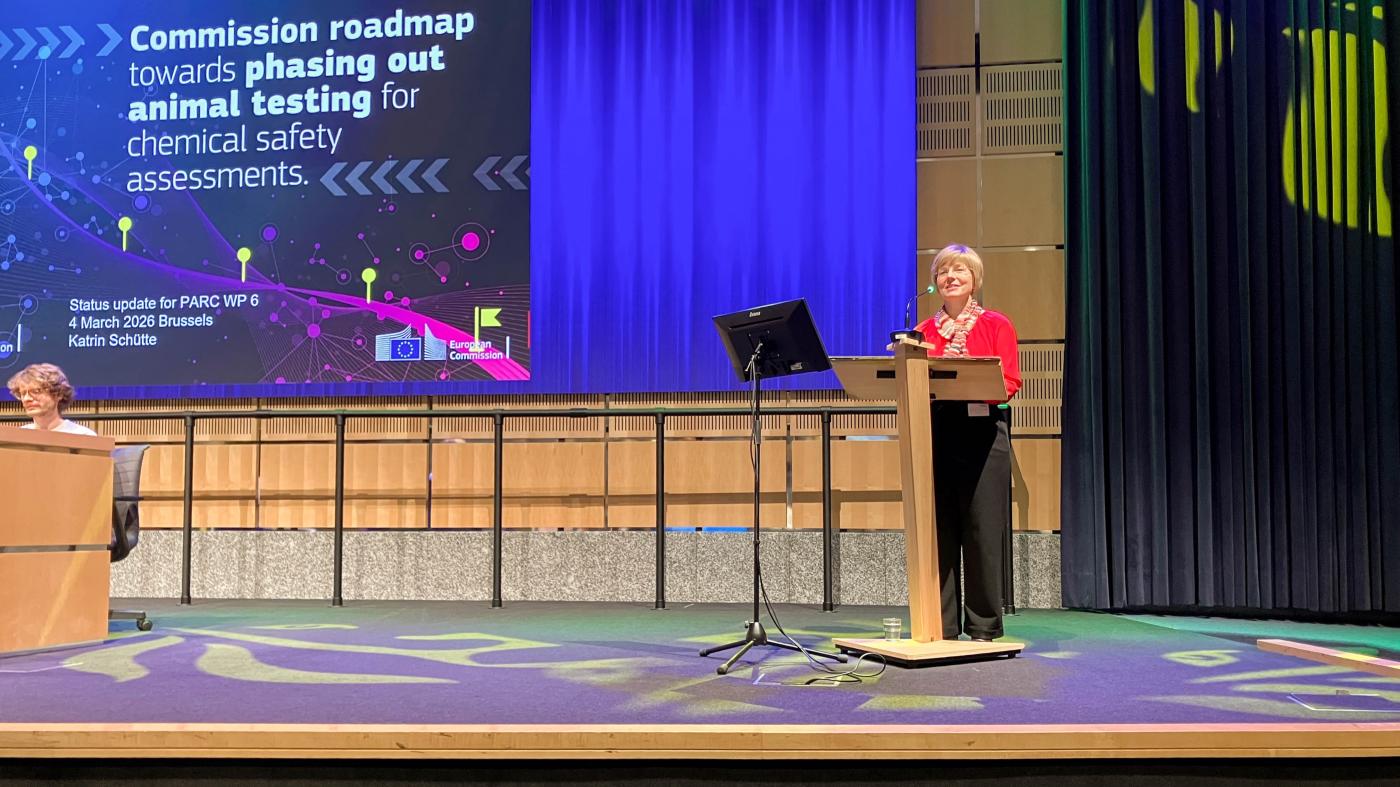
The meeting opened with strategic presentations that helped frame the key challenges and opportunities ahead. Among them, Katrin Schütte presented the European Commission roadmap towards the phasing out of animal testing in chemical safety assessment. This was followed by a joint perspective from ECHA, EEA and EFSA on the implementation of One Substance, One Assessment (OSOA), in a session coordinated by Claudia Heppner.
These opening discussions helped set the tone for the workshop, underlining the importance of ensuring that scientific developments respond to policy needs and can support future regulatory uptake.
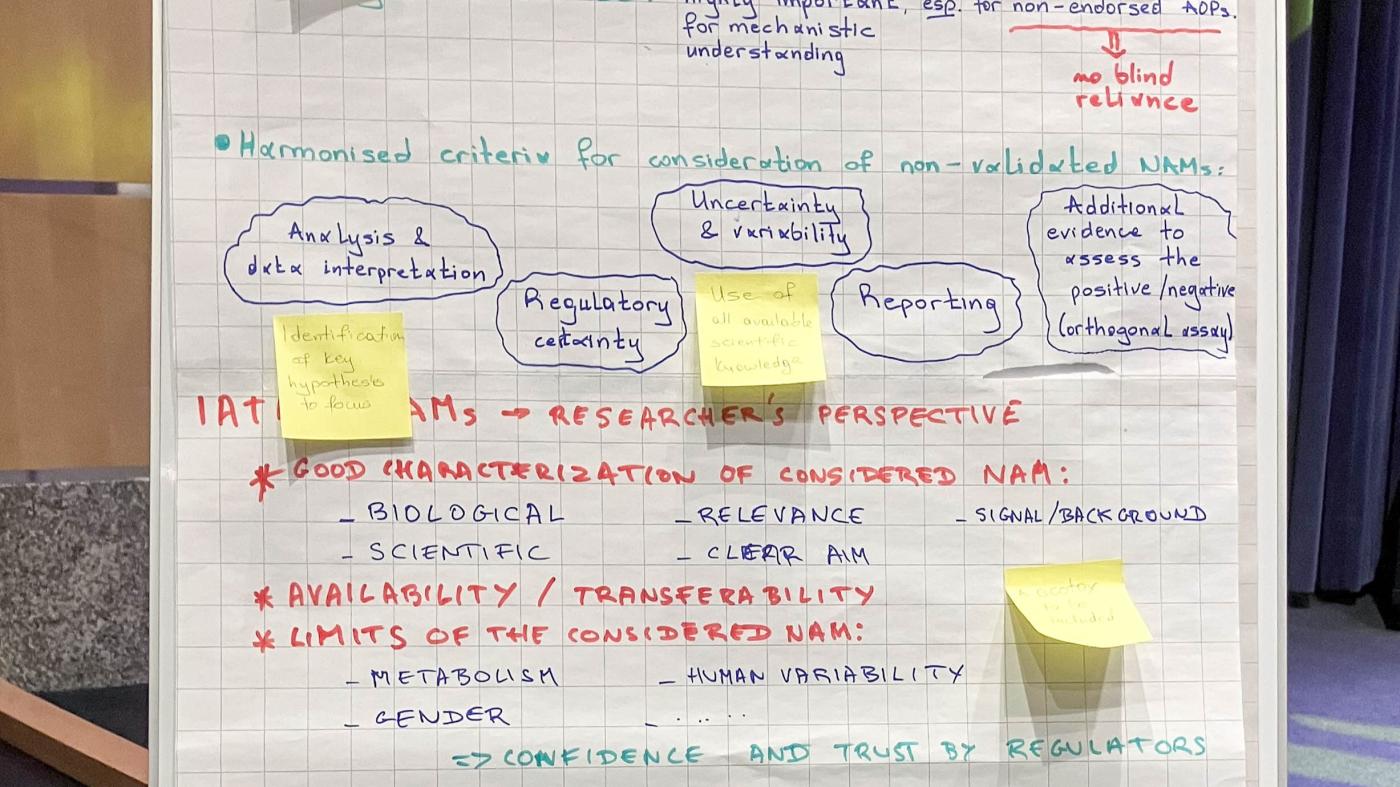
The second day focused on interactive breakout sessions and hands-on training, giving participants the opportunity to engage more deeply with ongoing work and methodological developments. Key topics included integrative risk assessment using human biomonitoring data, the development and regulatory uptake of New Approach Methodologies (NAMs) and Integrated Approaches to Testing and Assessment (IATAs), and the challenges of environmental risk assessment across different legislative frameworks.
Additional sessions explored the policy relevance of mixture risk assessment, the integration of ADME data, and emerging priorities in soil risk assessment. Together, these discussions reflected the broad scope of WP6 activities and the need to connect scientific innovation with practical regulatory application.
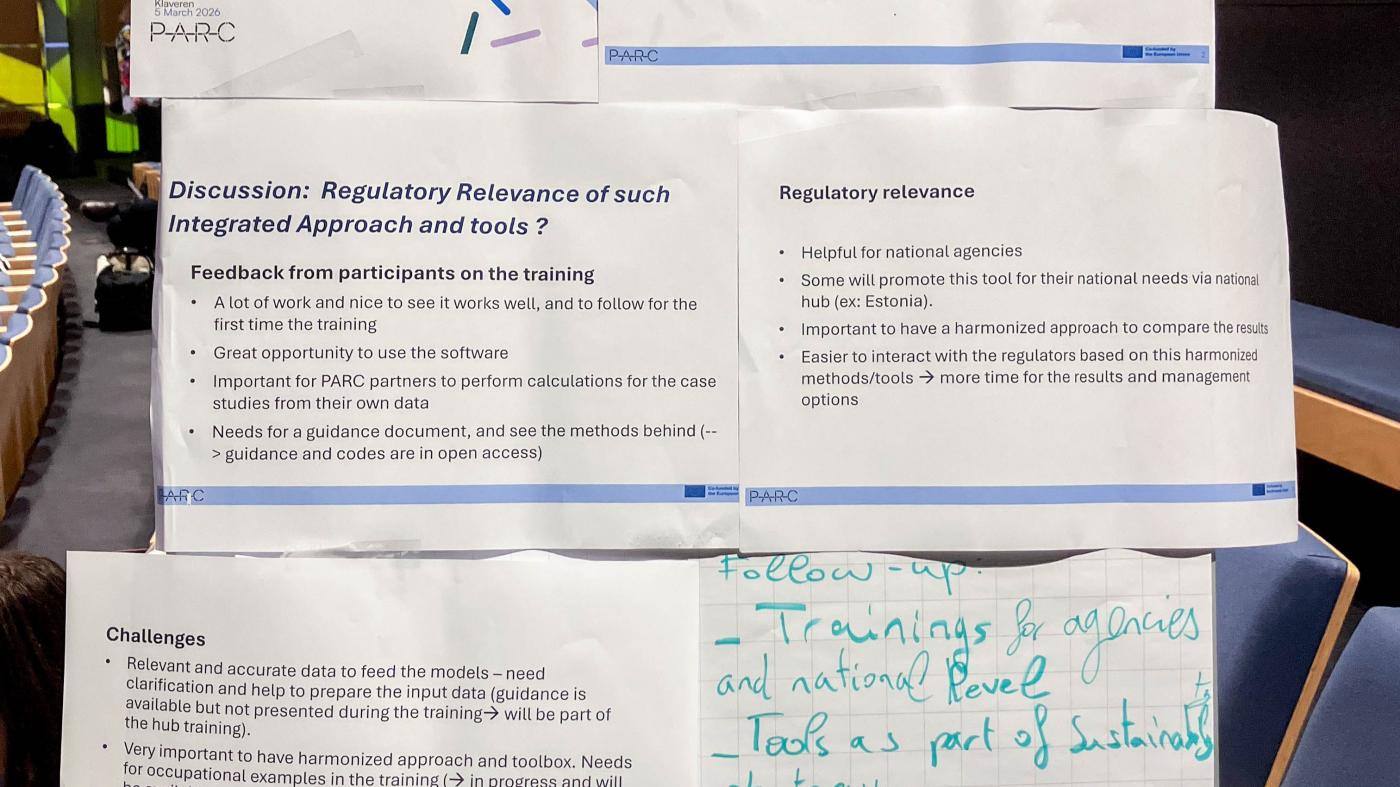
The final day continued in an interactive format through a World Café poster session, where participants shared insights, reflected on key takeaways from the breakout sessions, and discussed possible next steps. This format encouraged dialogue across disciplines and helped highlight links between different areas of work.
Overall, the workshop reinforced collaboration across teams and institutions, supported the exchange of knowledge and experience, and further strengthened the connection between science and policy in chemical risk assessment. It also highlighted the important role of WP6 in helping translate research and methodological innovation into approaches that can support more integrated and forward-looking regulatory practice in Europe.