News
Bridging scientific advances and regulatory science in chemical safety
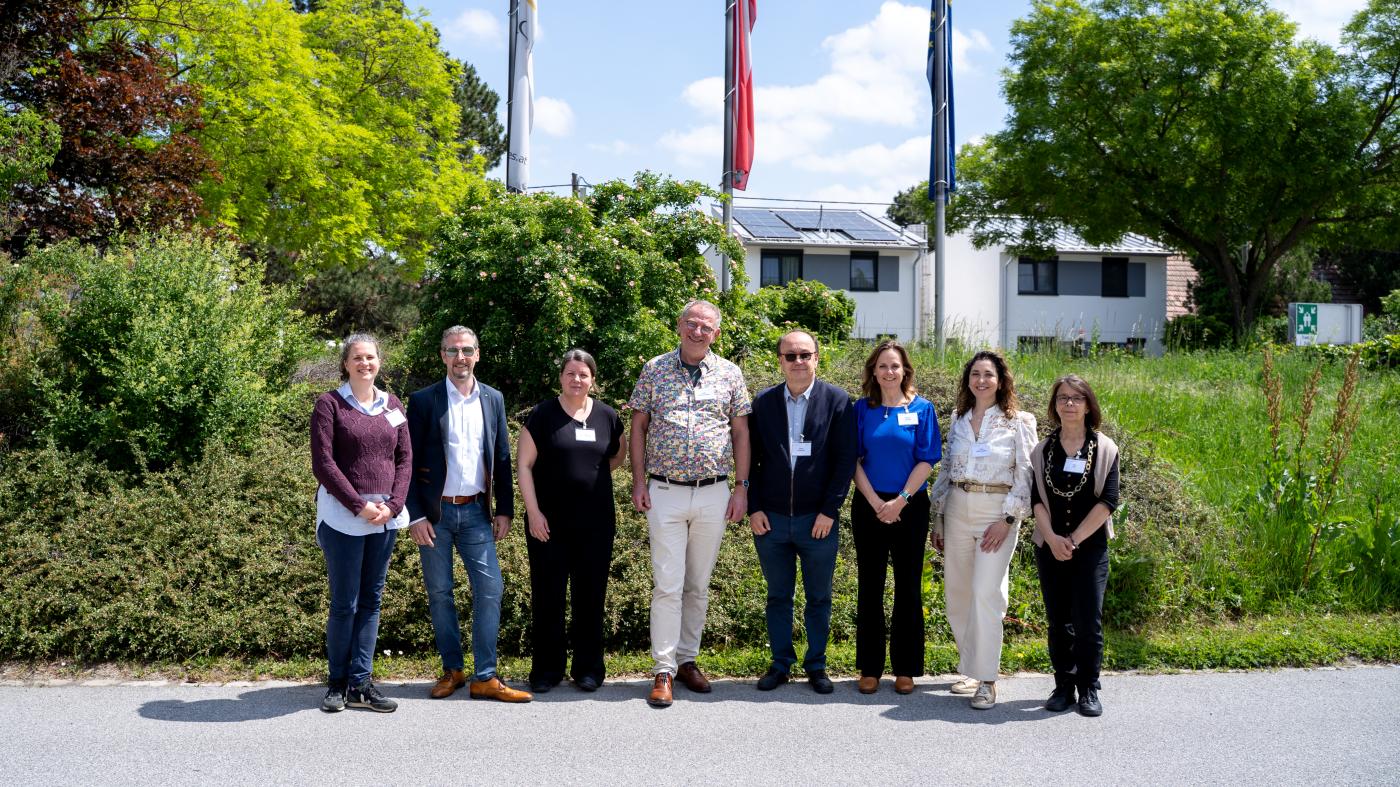
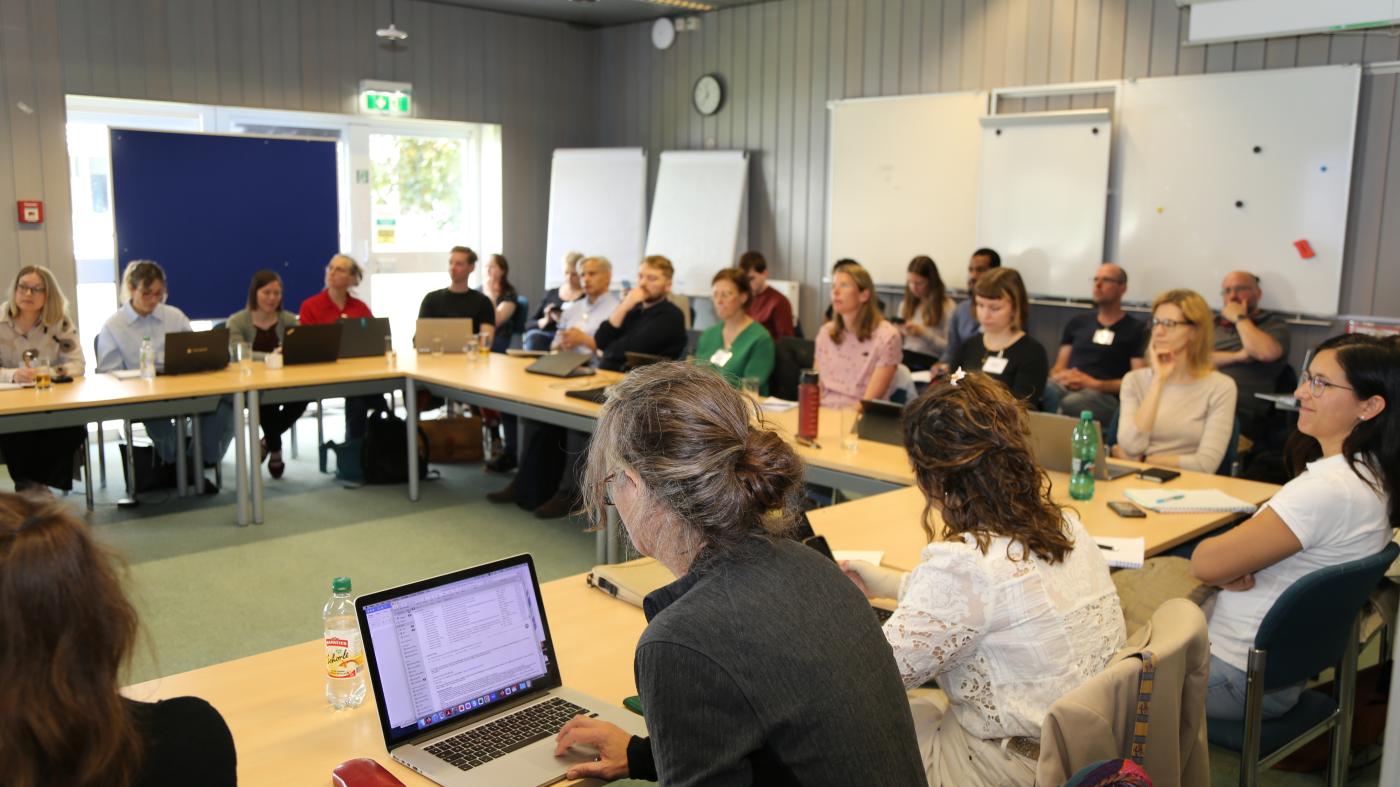
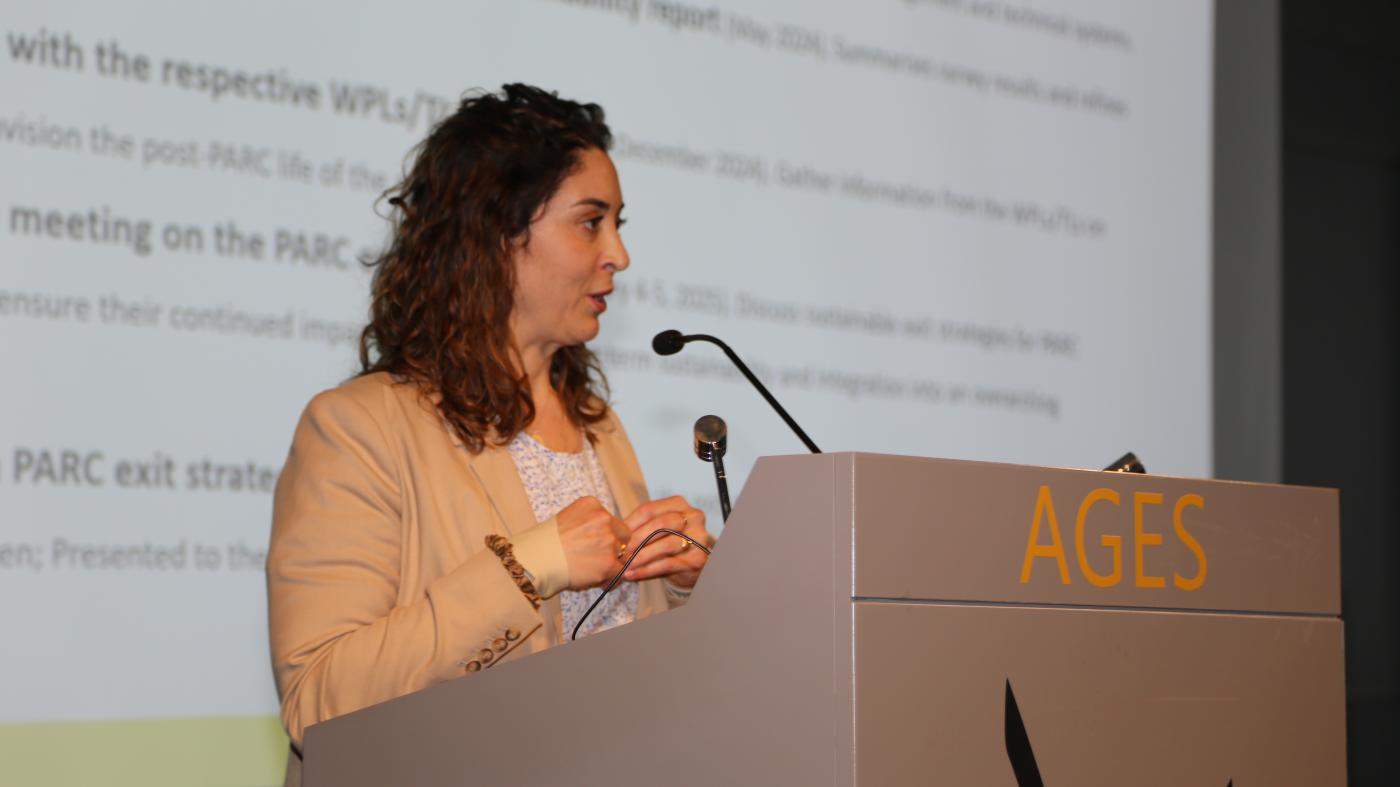
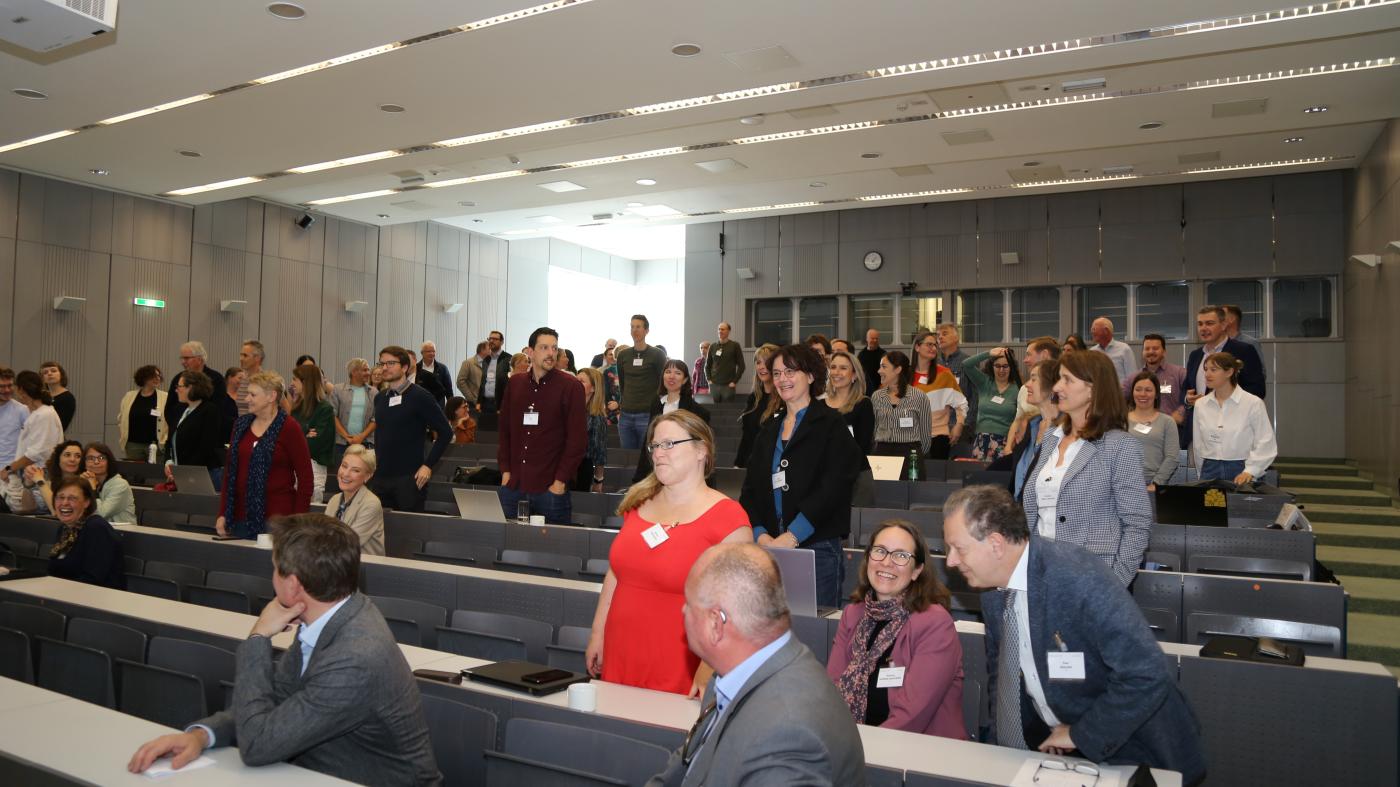
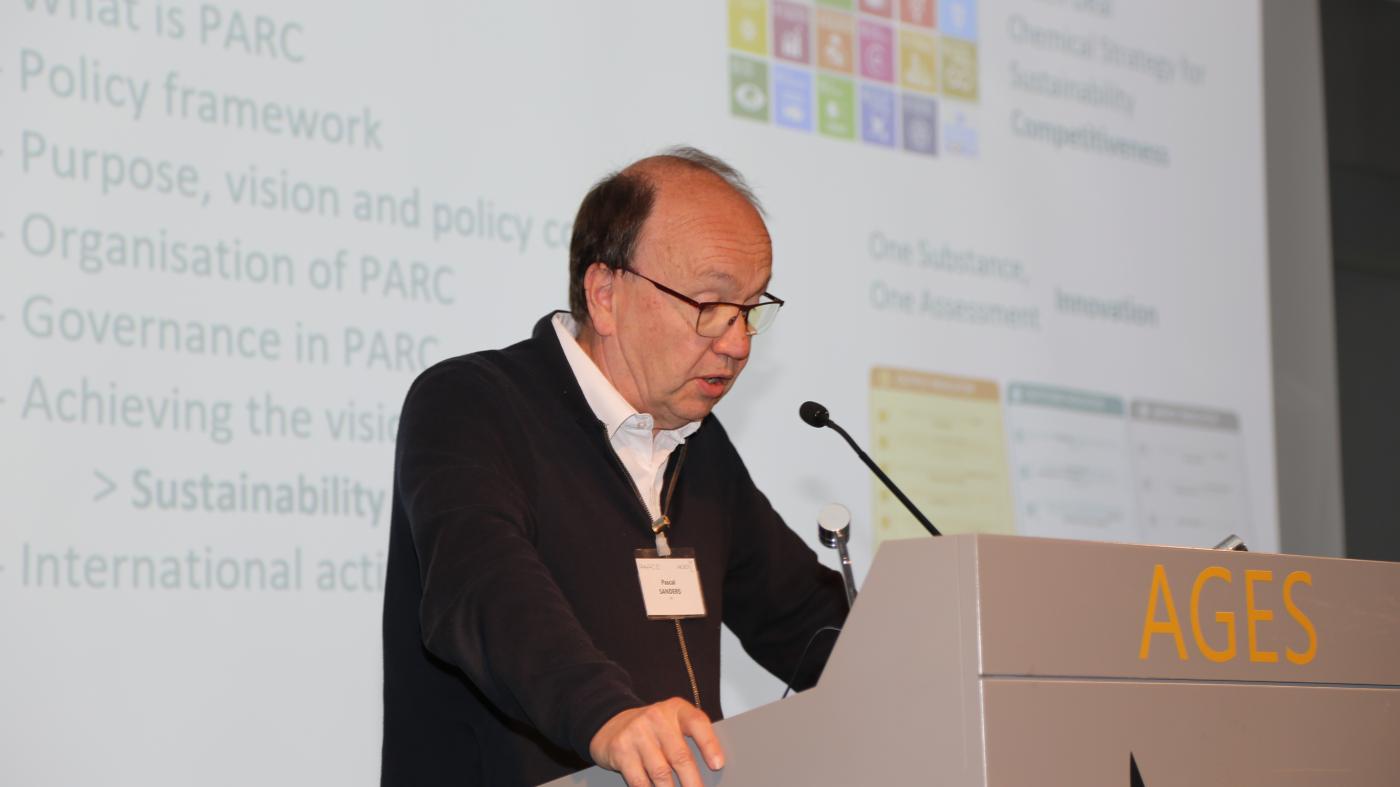
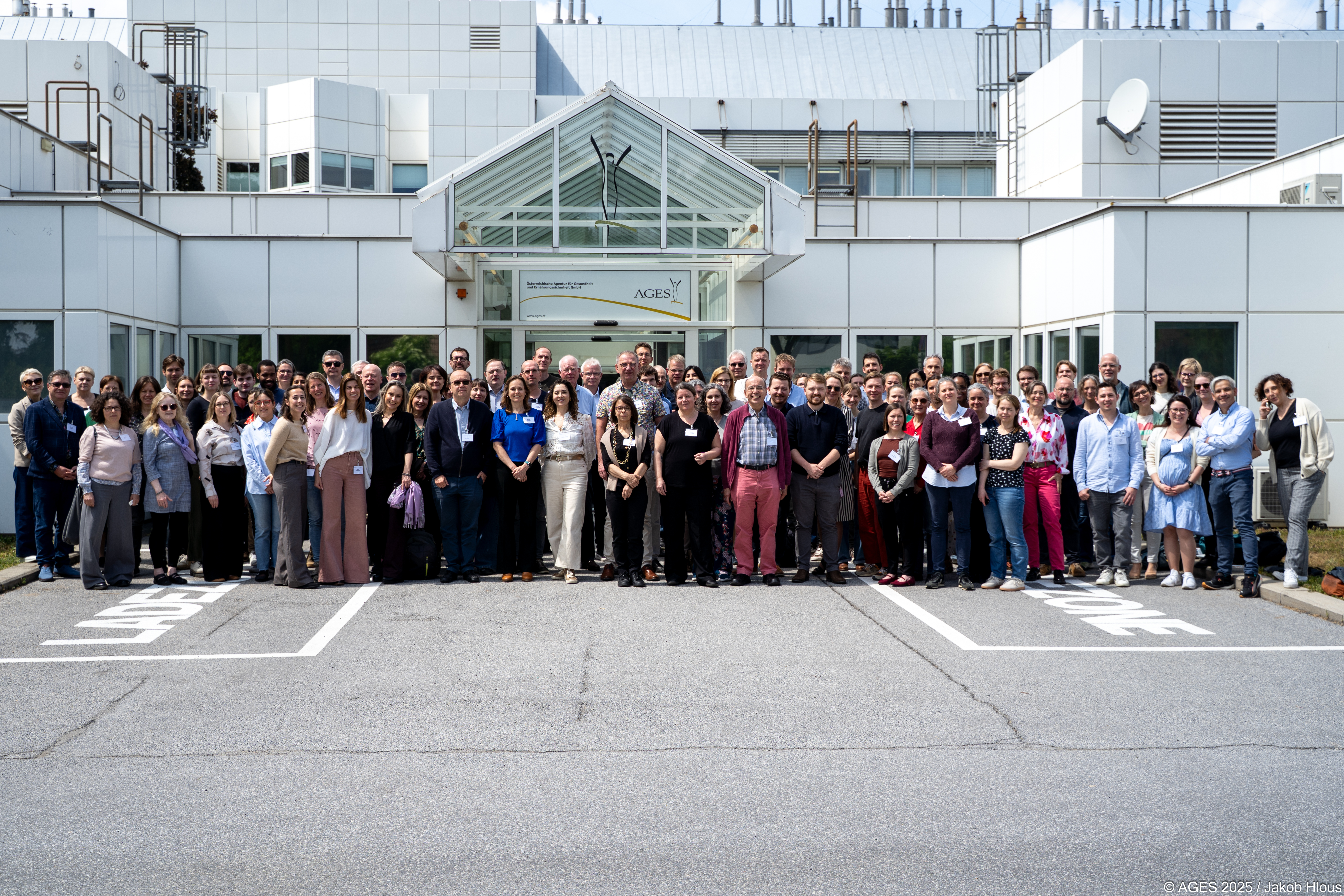
The annual workshop of PARC Work Package 6 “Innovation in regulatory risk assessment”, led by the National Institute for Public Health and the Environment ↗ (RIVM) in the Netherlands and Swedish Chemicals Agency ↗ (KEMI), took place between 19-21 May in Vienna, hosted by the Austrian Agency for Health and Food Safety GmbH ↗ (AGES).
The workshop was organised in collaboration with partners from Work Package 2 “A common science-policy-agenda”, aiming to strengthen the focus on science to policy interactions and frame discussions on how collaborate together, make use of results, and plan for regulatory impact.
One major focus was on promoting the regulatory use of New Approach Methodologies (NAMs). Dedicated discussions explored how NAMs could delineate between different hazard classes under the CLP Regulation, focusing on mutagenicity, endocrine disruption and neurotoxicity in both adult and developing nervous systems. Since legal information requirements currently rely on animal testing, NAMs can provide supporting evidence by integrating all available data. Participants proposed using data-rich chemicals to explore correlations between in vitro and in vivo findings, including for example predictions of systemic toxicity with metabolic and kinetic aspects.
Another key area was the exposure to and regulatory handling of mixtures. Discussions addressed developments and challenges in assessing aggregate exposure, concluding that harmonisation and improved access to data, methods and tools are essential for regulatory uptake, and the implementation of the one substance one assessment approaches. To assess lifetime exposure, enhanced collaboration between external exposure assessment and kinetic modelling was recommended. Although some legal frameworks include requirements for assessing mixtures, gaps remain, particularly for mixtures composed of chemicals from different regulatory domains and areas of use. The discussions improved understanding of how mixture risk assessment is performed for human health or the environment, highlighting approaches and tools, as well as how to link monitoring data with prospective assessments.
The workshop also featured dedicated discussions on data availability, including how improved databases and information structures could support different processes like exposure assessment, enforcement, and early warning systems. Current initiatives to improve data availability and remaining challenges were identified. There are different purposes and policy ambitions where data is needed, and, in cases where data is not available, different approaches are used to fill data gaps. Harmonisation of data and assessment tools is needed, considering bias and uncertainties introduced.
The workshop offered valuable opportunities for exchange and collaboration within Work Package 6 and across other work packages and stakeholders. The insights gathered will help shape regulatory science efforts in the years ahead. Bridging science and regulation is key to improving chemical risk assessment practices.