News
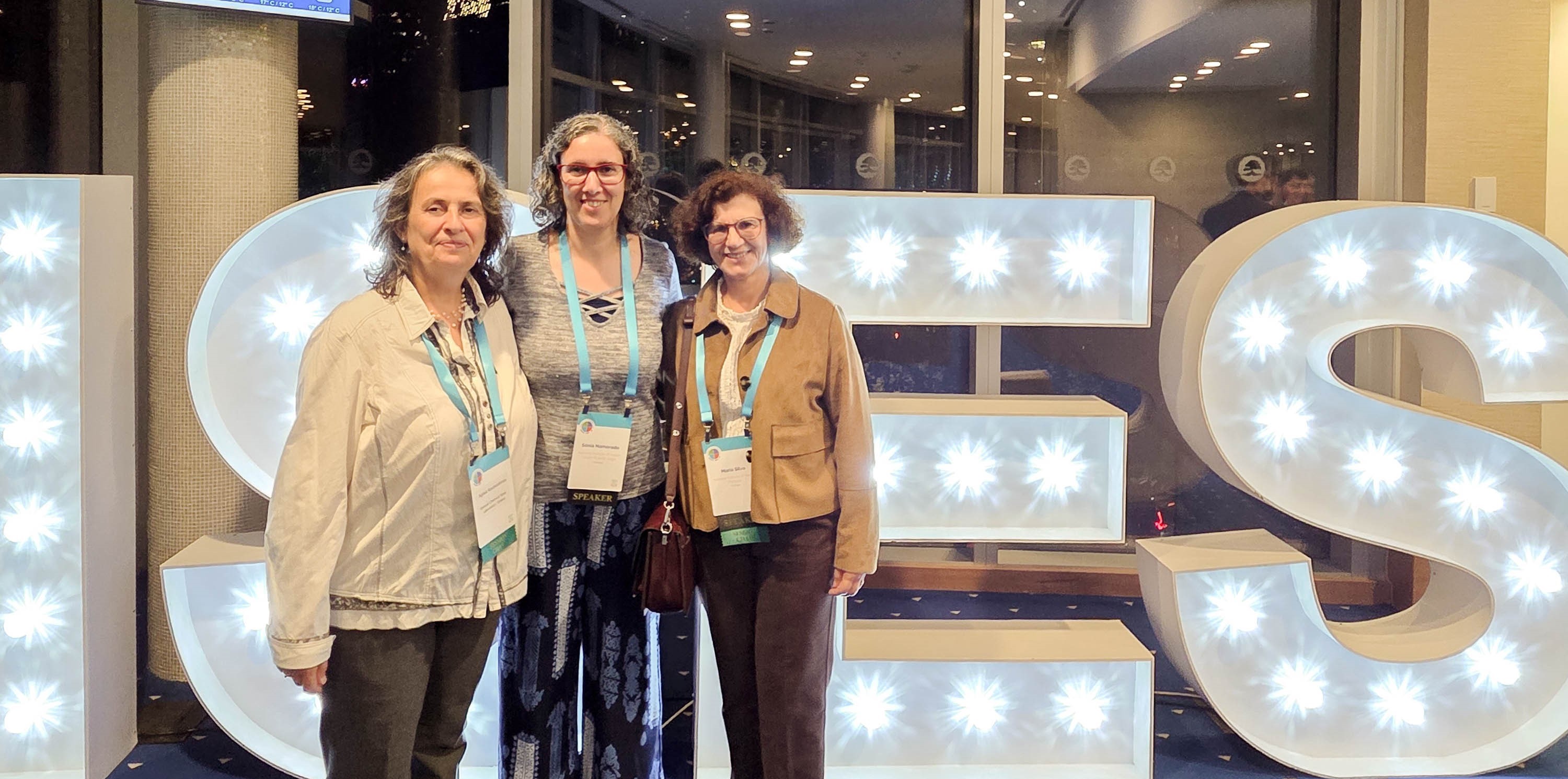
PARC at ISES 2027: Developments in Chemical Exposure Science Presented to the International Community
Members and associates of the International Society of Exposure Science (ISES) met in early October in Vancouver, Canada. During their six-day stay in the far southwest of Canada, from October 3 to 8, they focused on new discoveries in exposure science and chemical safety. The central theme of this year’s meeting, “The Exposome in Action: Collaborative Science for Healthier People and Stronger Communities,” reflects the core purpose of their scientific efforts and international cooperation.
At the meeting, scientists from the PARC network presented a range of scientific findings and advances that are improving the monitoring and assessment of human exposure to chemicals in Europe. On October 6, they led two sessions devoted to specific approaches in exposure science: human biomonitoring, physiologically based kinetic modelling (PBK), and non-targeted screening methods. Several members from the PARC International Board were also present at the ISES Meeting which promoted the exchanges with PARC scientists.
More than twenty PARC scientists from institutions in Portugal, Greece, France, Belgium, Louxembourg, and Germany, among others, took part in the meeting, covering diverse scientific areas related to exposure science, including human biomonitoring, exposure modelling, and toxicokinetic.
Sébastien Denys, from Santé Publique France, who co-leads exposure monitoring across the PARC network, was recognized for his outstanding commitment to the field. Mr. Denys has been appointed to the ISES 2027 Board of Directors as Government Councillor. His engagement on the Board is a valuable contribution to science and a bridge between European research and comparable endeavours in other parts of the world.
At the meeting in Vancouver, attention was also devoted to the need for clear and strong communication about the importance of studying exposure, so that this message also reaches the public. Ultimately, the purpose of exposure science is to benefit people’s well-being. More precisely, exposure research aims to prevent adverse health effects and to protect the population.
Maria João Silva from Instituto Nacional de Saúde Doutor Ricardo Jorge from Portugal, said:
Globally, the PARC studies have demonstrated their relevance in the international landscape of Exposure Science, being PARC an example of a partnership that is already producing data with a significant impact on improving health and the environment.
As results from PARC projects focused on assessing the exposure of the general population and of workers' groups are expected within the next year, PARC scientists will meet again in 2027 in Japan to present their findings at ISES 2027.