News
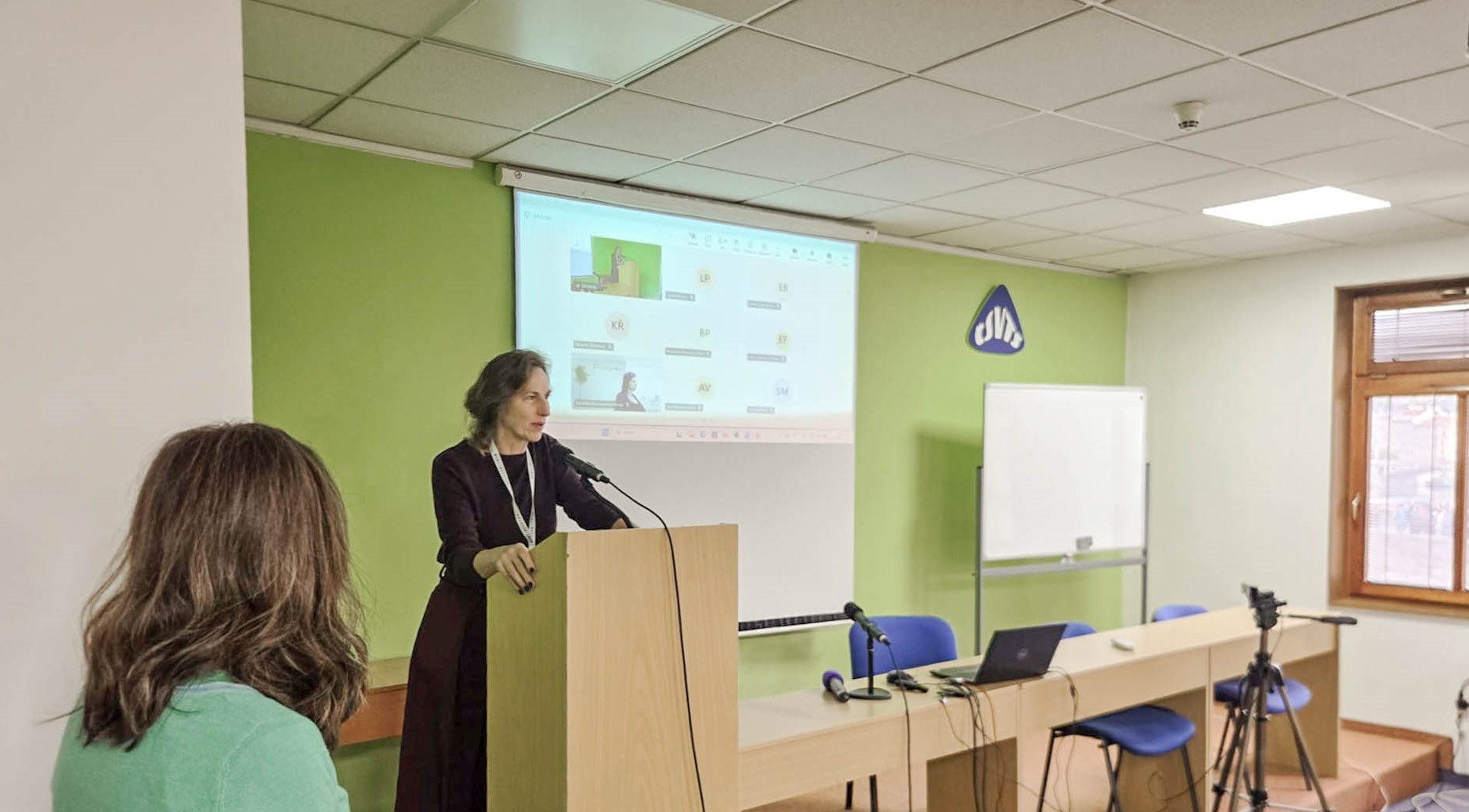
Annual Gathering in Prague: Fostering Laboratory and Environmental Monitoring Capacities Across Europe
On 21 October 2026, PARC members met in Prague for the annual meeting, which focused on developing human and infrastructure capacities for chemical assessment in Europe.
The central topics of the meeting were European laboratory networks, European environmental monitoring networks, quality assurance and quality control (QA/QC) guidance, trainings for PARC members, and cooperation with related sectoral working groups within PARC.
On this occasion, several important updates and priorities were shared:
- Over the coming year, the European laboratory networks will expand to cover soil and sediments, biota, food and feed, and articles and consumer products. The exchange of information, visibility and accessibility of existing networks have been improved thanks to PARCopedia ↗ interactive maps and the Chemical Risk Assessment (CRA) Hub ↗.
The CRA Hub also helps to collect data on existing European environmental monitoring networks, specifically those covering air, water/sediment, soil, biota, drinking water, and food and feed.
An updated version of the QA/QC Guidance, which also covers dust sampling, non-targeted screening of chemicals, and micro- and nanoplastics, is in preparation. It is expected to be published by the end of January 2027.
- The 1st PARC Training Plan has been completed, and the 2nd Plan has already delivered several activities in 2026, with more planned through October 2027. The new PARC Mobility Grants facilitate participation in training and staff exchanges by fully covering subsistence and travel costs, and partners are strongly encouraged to use them.
Efforts in capacity building is inseparable from effective communication about opportunities and achievements, and from data based on the FAIR (findable accessible, interoperable, and reusable) principles, which form the foundation of cooperation with other sectoral working groups within PARC. This very cooperation was agreed as a priority for future work.
Ultimately, for capacity development to be truly successful, it is most important that the results of current work, namely the collaboration between laboratories and environmental scientists who monitor the state of the environment, continue to thrive well into the future. Guided by this idea, PARC members will continue their work at their institutions across Europe until the next annual gathering.