News
Expanding European Laboratory Networks to support chemical risk assessment and monitoring
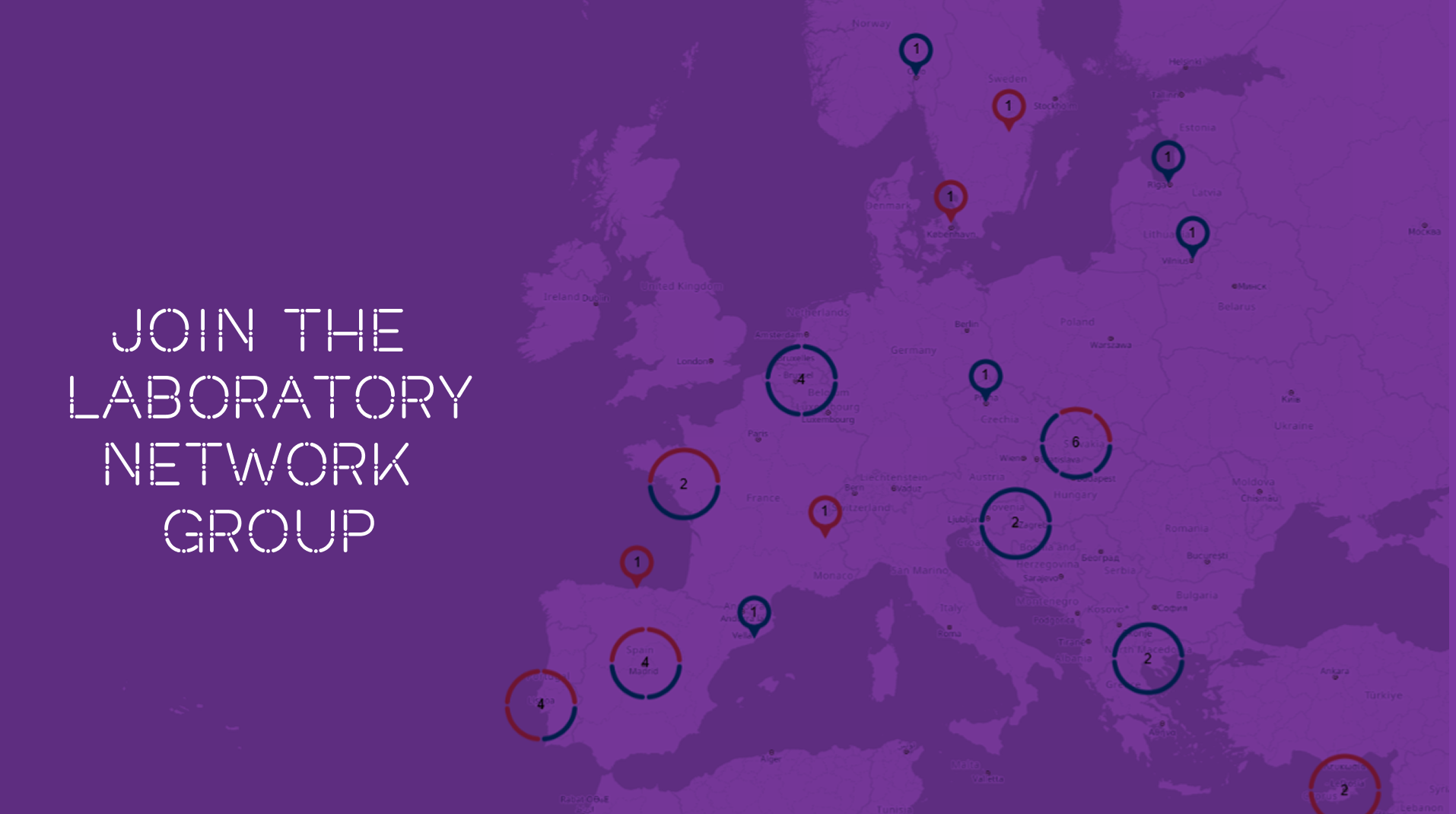
Over the past months, significant progress has been made in developing the European laboratory networks across several PARC-relevant domains. A key milestone has been the creation of four interactive maps covering Human Biomonitoring (HBM), Environmental Monitoring (Air, Water), and (Eco)Toxicology.
These maps bring together laboratories from both PARC partner organisations and external institutions, reflecting the open and collaborative nature of the networks. They provide a valuable overview of the expertise available across Europe and support the identification of potential collaboration opportunities between laboratories working in similar analytical fields.
Building on this work, mapping activities are now expanding into additional domains, including food/feed, articles/consumer products, and the Environmental Monitoring areas of soil/sediments and biota. Several laboratories active in these domains have already been identified, and work is ongoing to recruit (Join the European Network of Laboratories ↗) more and gather information on their analytical capabilities. This expanded knowledge base will support a wide range of stakeholders – including researchers, policymakers, businesses, and organisations involved in chemical risk assessment – in identifying expertise, analytical services, and collaboration opportunities across the different networks.
Beyond mapping activities, efforts are increasingly focused on strengthening connections and fostering an active community. Laboratories are encouraged to join the Laboratory Networks group on PARCopedia ↗, a dedicated space to exchange experiences, discuss analytical challenges, share information, and connect with peers across Europe.
To better understand the needs of the laboratory community, a survey was recently distributed across the networks. The responses – currently under evaluation – will inform a Networking Activity Plan that will guide future initiatives such as webinars, workshops, and other initiatives addressing analytical topics of interest. These activities aim to foster collaboration, support analytical capacity building, and further strengthen laboratory networks across Europe.