News
TOX26: PARC brings the European perspective to a French debate on NAMs and NGRA for systemic toxicity
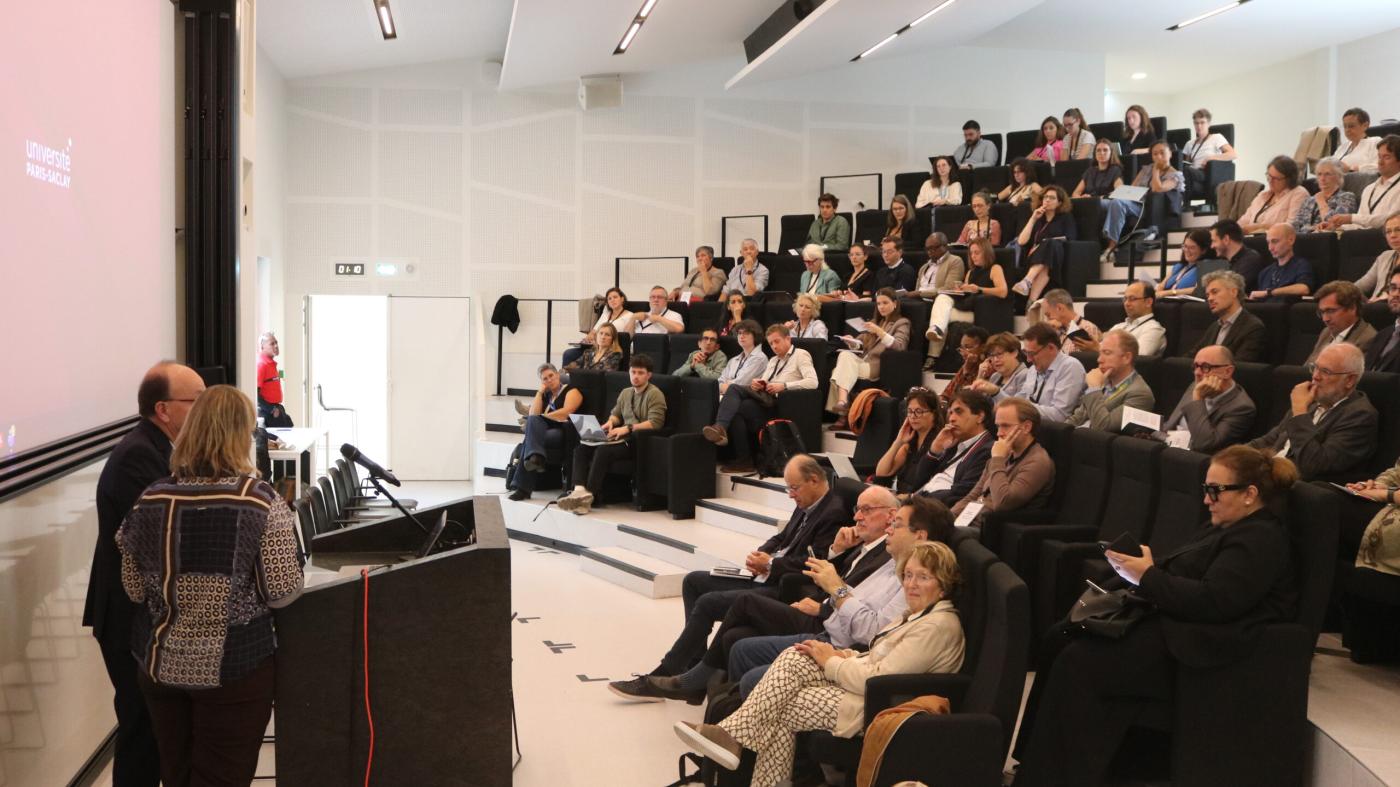
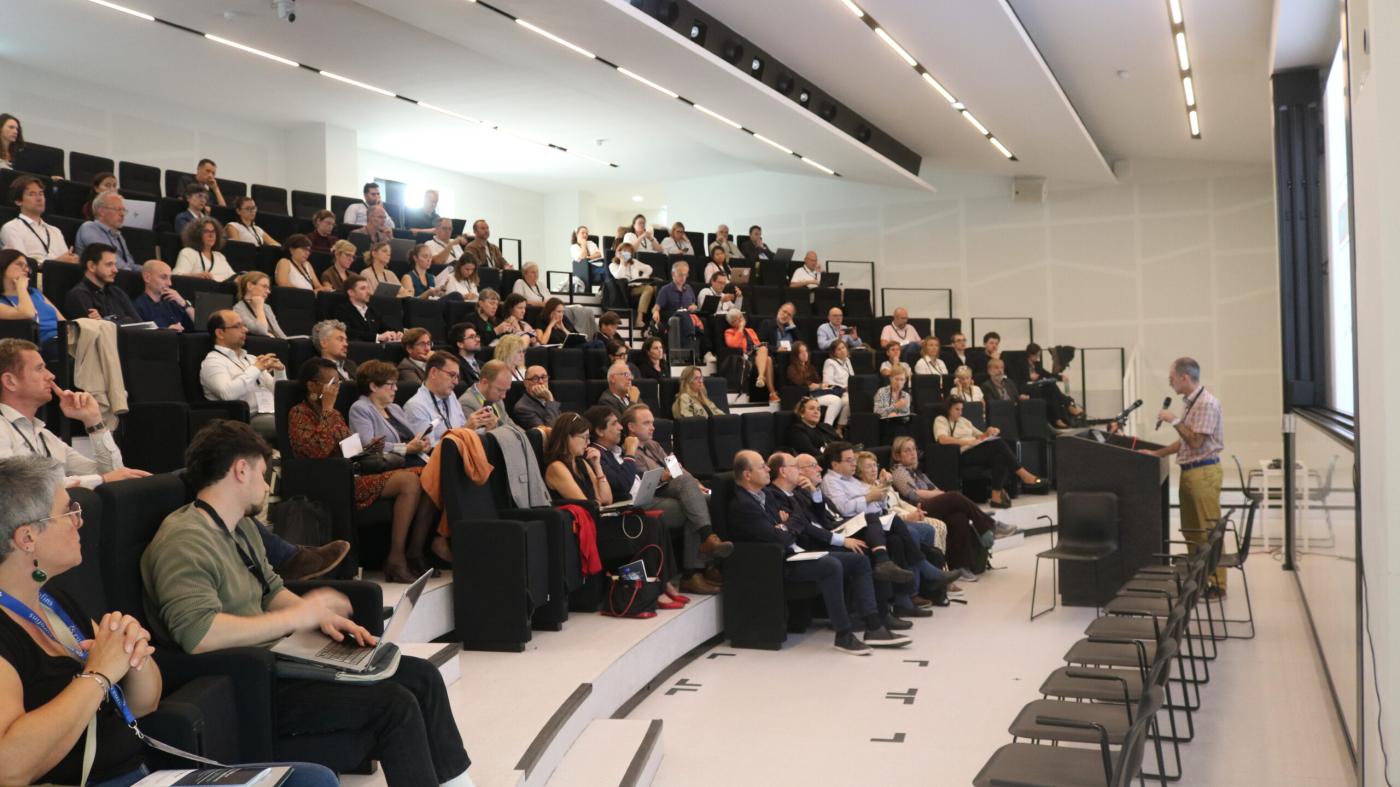
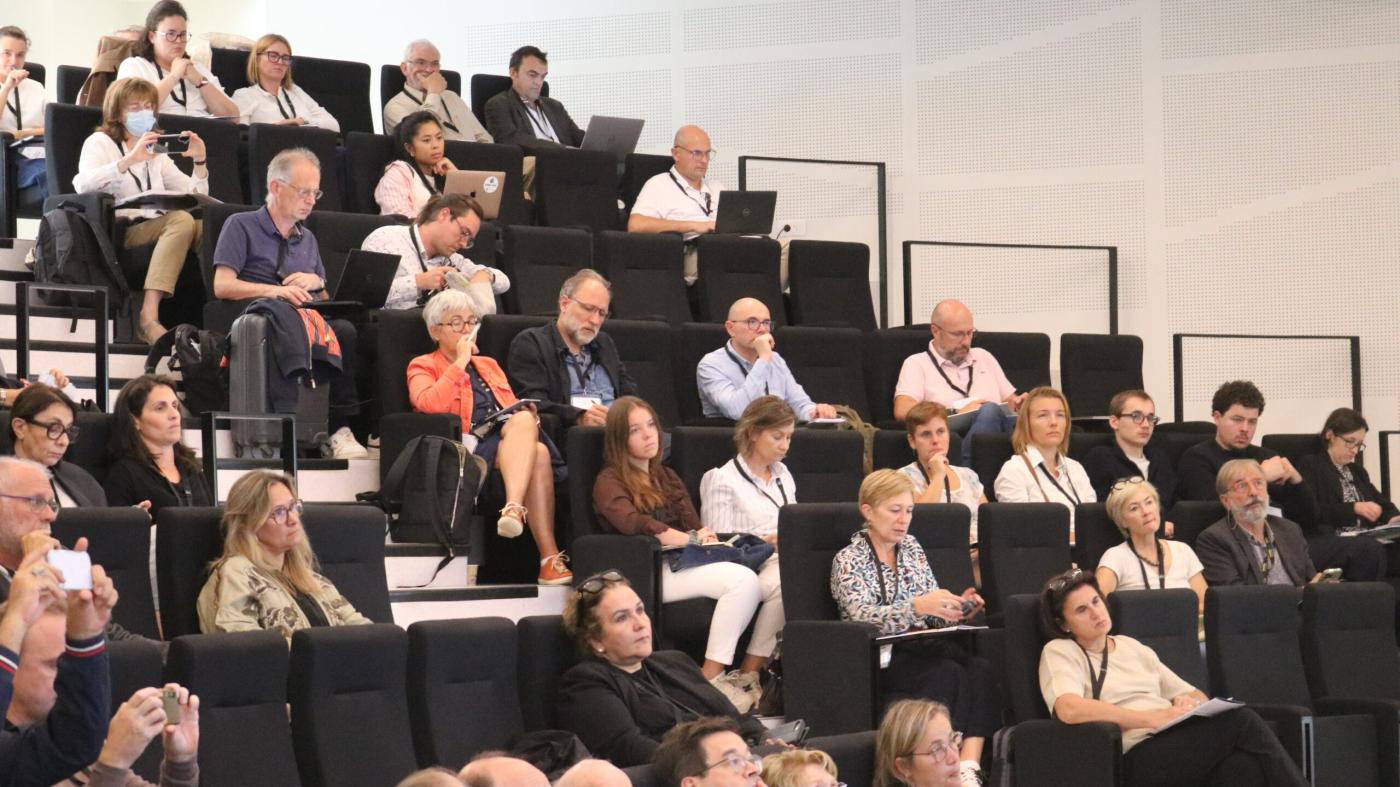
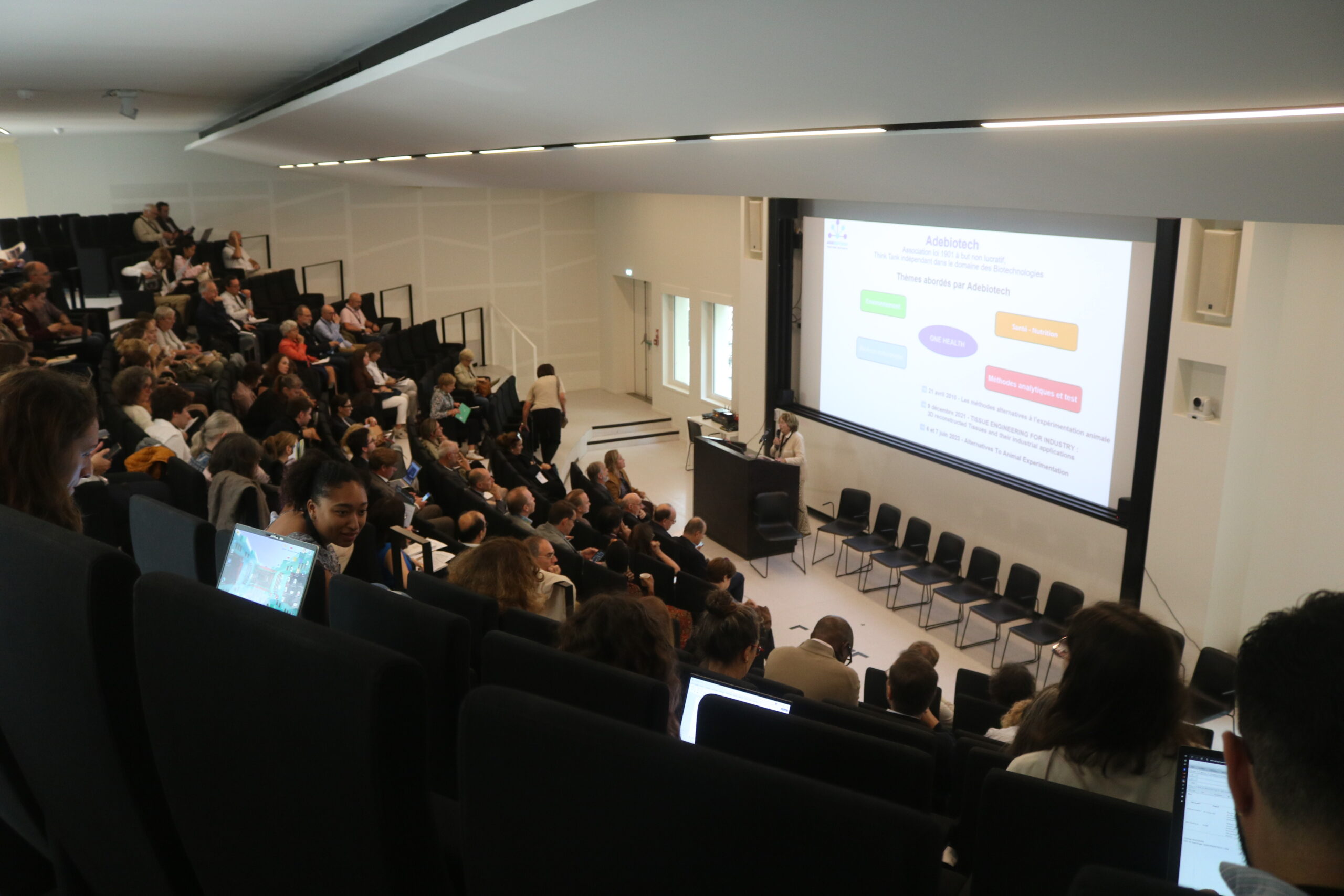
Can non-animal methods predict systemic toxicity well enough to support regulatory decisions? On 1–2 October 2026, around 150 participants met in Orsay (Université Paris-Saclay) to tackle this question at the Adebiotech colloquium “NAMs and NGRA for the predictive assessment of systemic toxicity” (TOX26). PARC was an official partner of the event and contributed to both its organisation and its scientific programme.
Participants came from regulatory agencies, academic research, contract research organisations and industry, covering pharmaceuticals, cosmetics, food, chemicals and medical devices. The meeting took place a few months after the European Commission published its Roadmap towards phasing out animal testing for chemical safety assessment ↗ (June 2026). Its aim was to examine what it takes to move New Approach Methodologies (NAMs) from early-stage derisking into routine regulatory use.
Pascal Sanders (ANSES ↗), PARC Coordinator, opened the first session, “State of the art and challenges”, which he co-chaired with Laure Geoffroy (INERIS ↗). His introductory talk traced how chemical risk assessment has evolved. It set out the key concepts of Next Generation Risk Assessment (NGRA), an exposure-led, hypothesis-driven approach that integrates several lines of evidence, including NAMs. It also outlined the ambitions of the Commission roadmap.
Christophe Rousselle (ANSES), PARC Deputy Coordinator, then presented the partnership in more detail. PARC is a €400 million partnership running from 2022 to 2029. It develops NAMs and NGRA and integrates exposure data, with the goal of making risk assessments more predictive and more relevant to human health and the environment. He emphasised that PARC works closely with regulators. This collaboration helps promote NAMs for risk assessment and steers method development towards real regulatory needs.
Across sectors, speakers agreed that the scientific value of NAMs is no longer in question. They are already widely used for screening, de-risking, mechanistic investigation and weight-of-evidence approaches. Physiologically based kinetic (PBK) modelling and in vitro to in vivo extrapolation stood out as key enablers. However, NAMs still rarely replace animal data in regulatory decisions on systemic and repeated-dose toxicity. Participants identified validation as the main bottleneck. They welcomed the ongoing OECD revision of its guidance on validation, expected in 2027, and qualification schemes such as the one developed under EFSA’s NAMs4Nano initiative.
Pascal Sanders, PARC Coordinator, said:
The question is no longer whether NAMs work, but how we build the confidence needed to use them in regulatory decisions. That confidence can only be built together, by researchers, regulators and industry.
Christophe Rousselle, PARC Deputy Coordinator, shared:
Co-developing methods with risk assessors from the outset is how PARC makes sure that innovation answers real regulatory questions.
The closing round table summarised what the transition needs:
- Stronger confidence in NAMs and clearer applicability domains;
- Training for risk assessors;
- Harmonised validation frameworks;
- Better data sharing and transparency;
- Spaces for dialogue that encourage applicants to submit NAM-based dossiers.
These priorities match PARC’s mission to connect research and regulatory practice, and the work of related initiatives such as NAMWISE ↗ and PEPPER ↗.
Discover upcoming PARC trainings on New Approach Methodologies on our events page.
More information: TOX26 – Adebiotech ↗