News
Annual gathering in Tarragona: Improving FAIR chemical risk assessment data
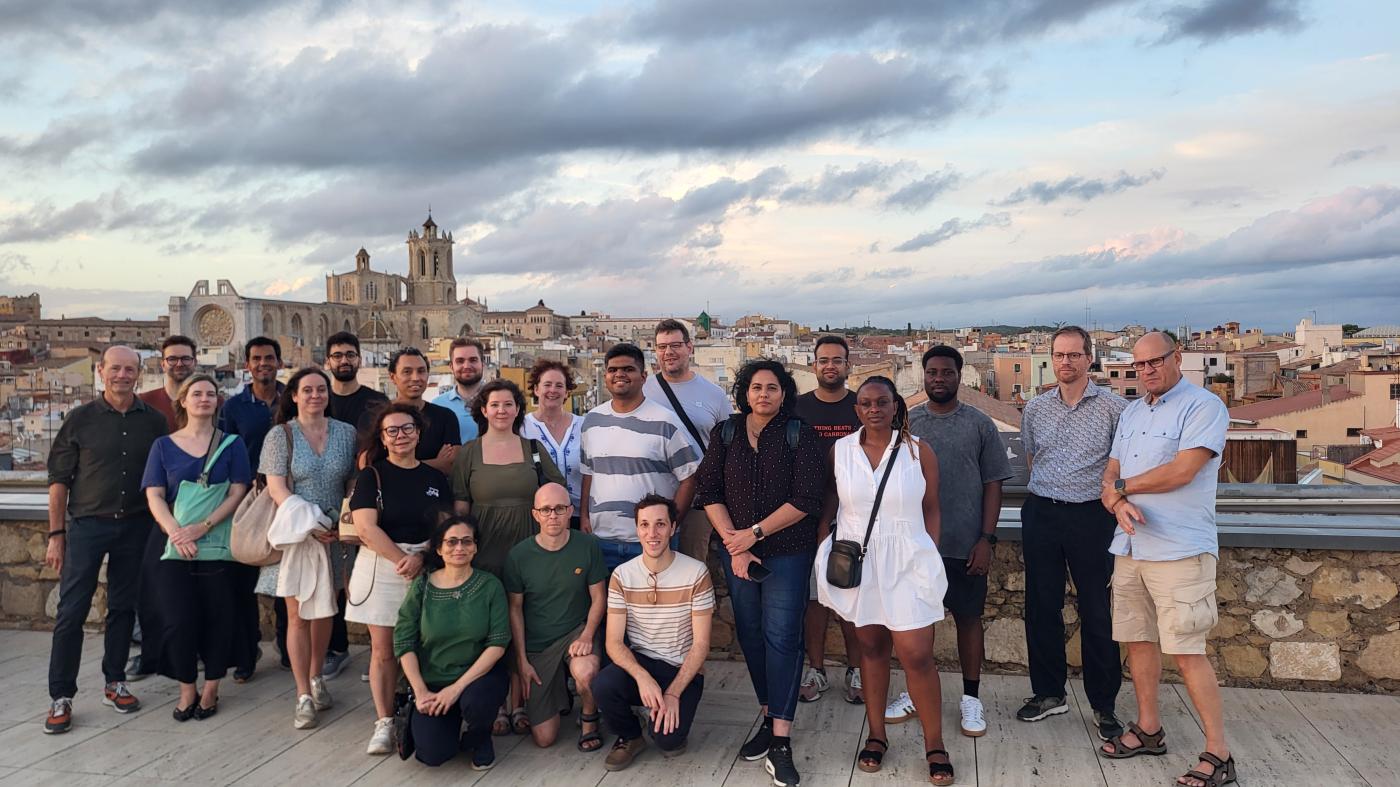
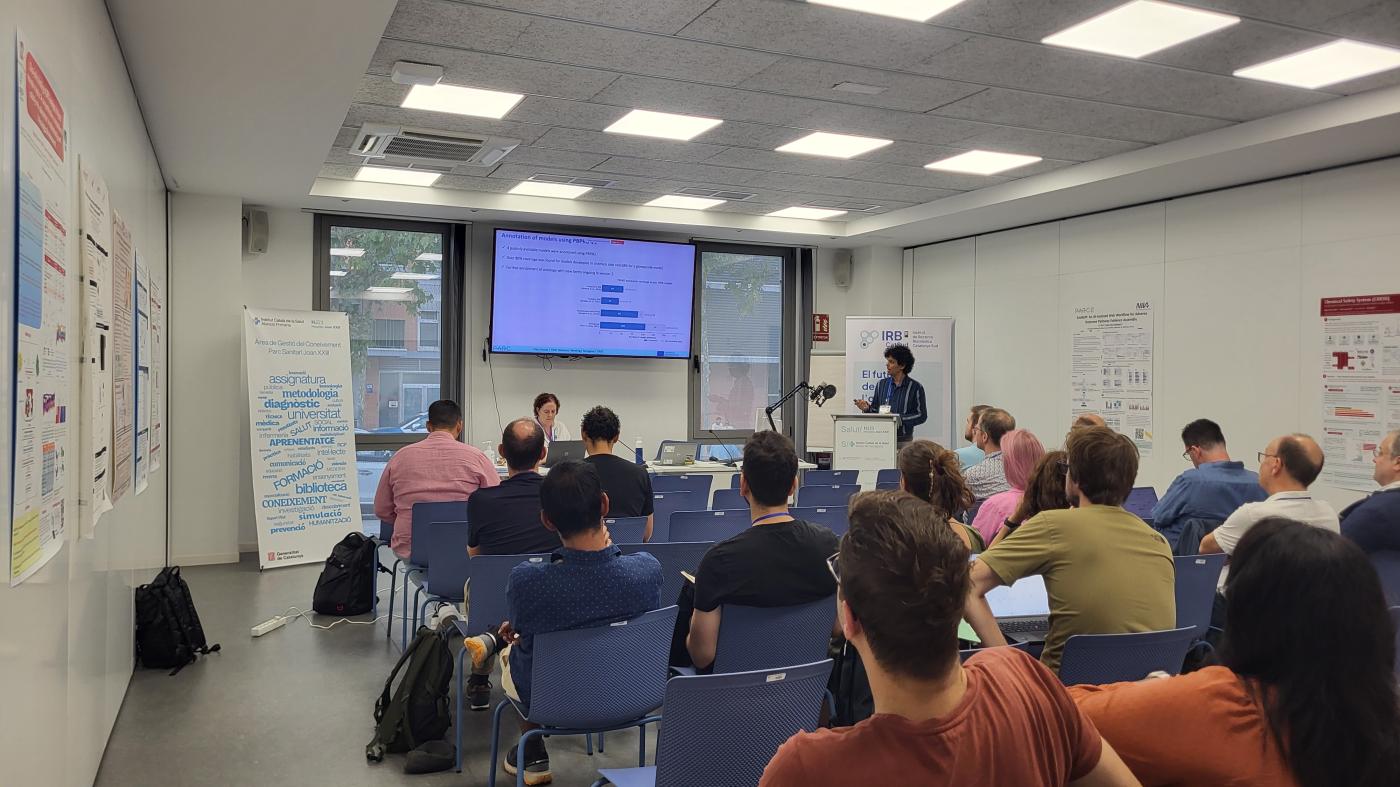
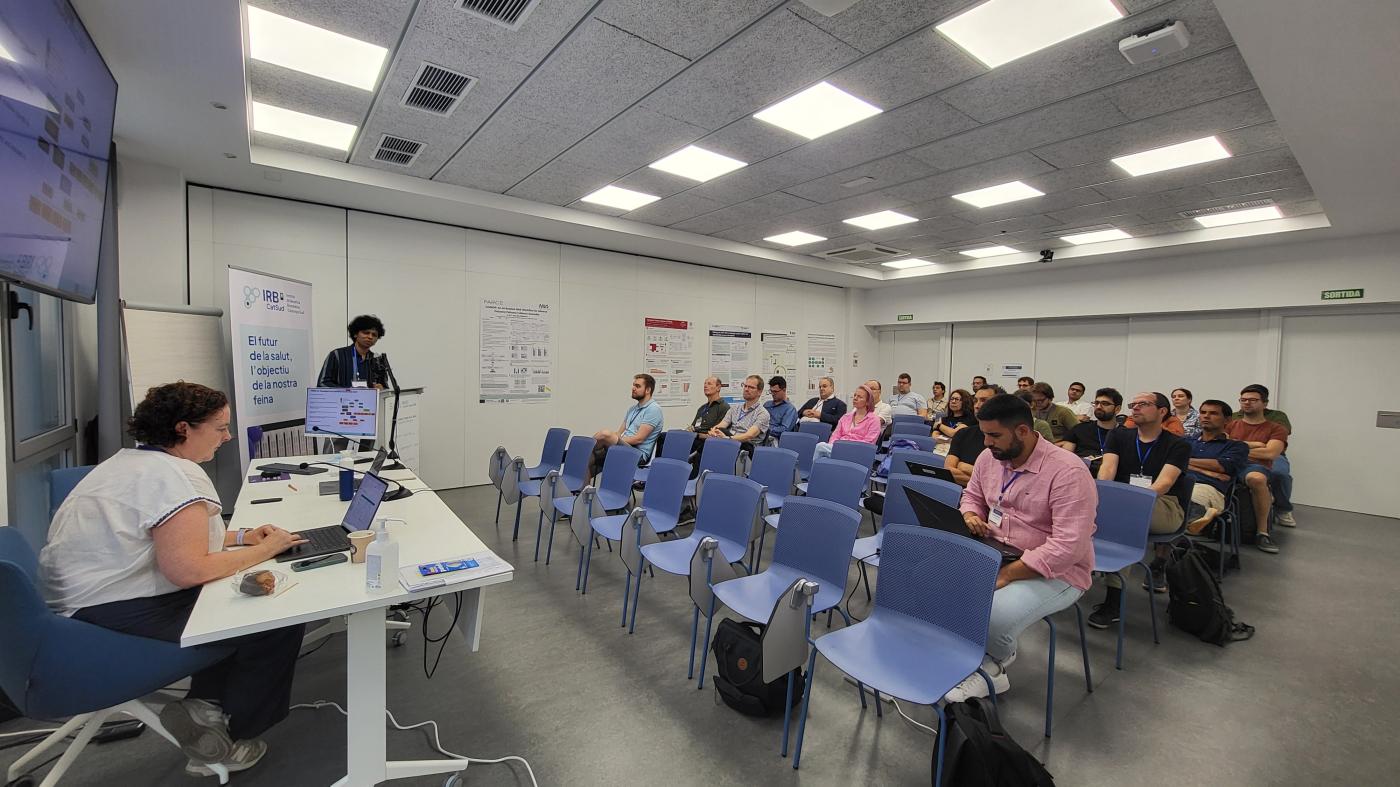
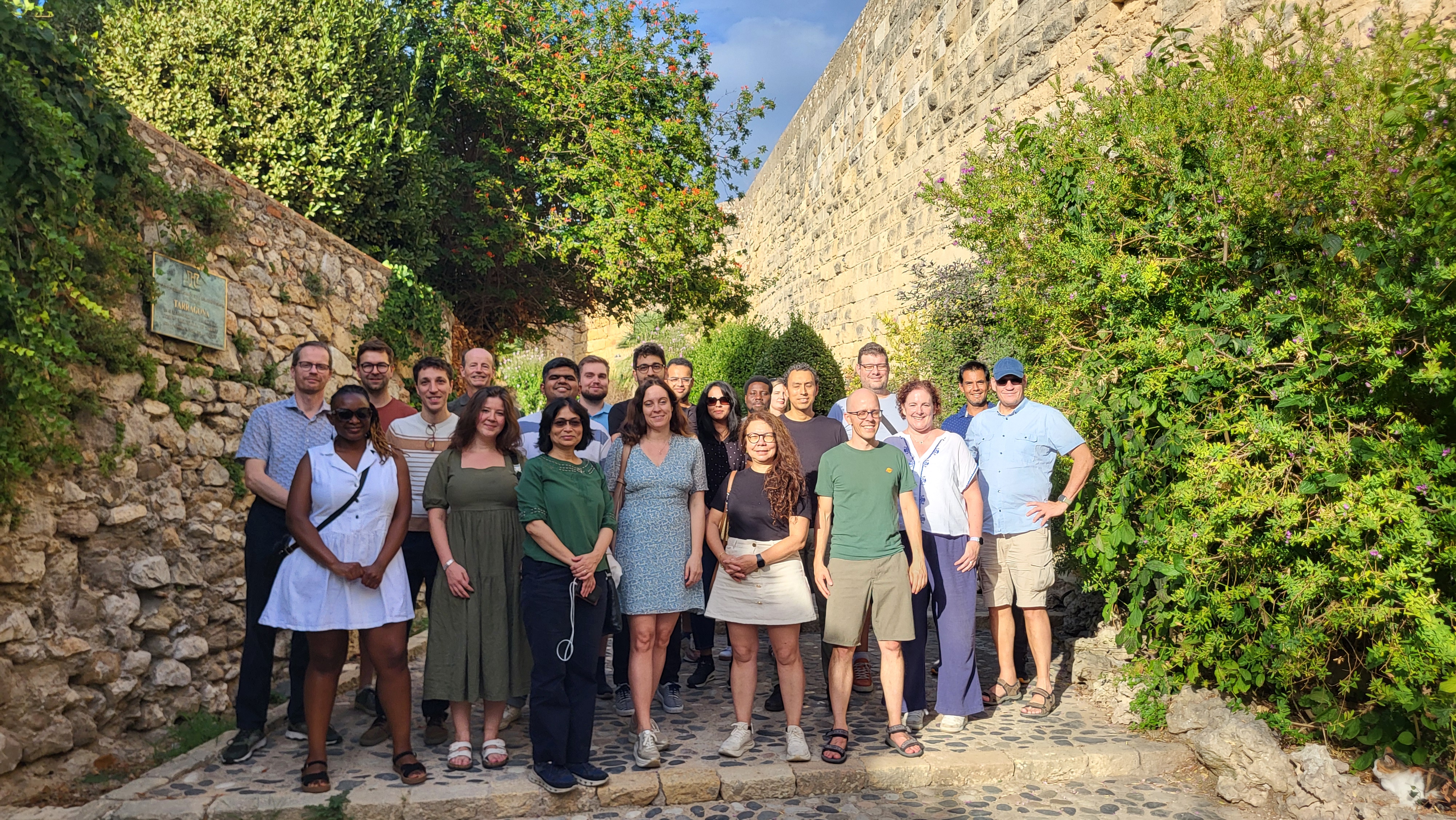
On 9–10 September 2026, a team of PARC experts met in the city of Tarragona (Spain). The two-day meeting consisted of discussions, group work and guest lectures to help make chemical risk assessment data findable accessible, interoperable, and reusable (FAIR).
Valuable guests: sharing and expanding knowledge
The meeting brought together the complementary perspectives of researchers, agencies and entrepreneurs. The members of the PARC team were joined by guests from Maastricht University ↗, the European Chemicals Agency ↗ (ECHA) and the company Knowledge Pixels ↗. Each guest speaker brought their perspective on FAIR data, from data processing and presentation to information on the development of a common EU platform for chemical data.
Marvin Martens (Maastricht University) gave an overview of his efforts towards developing and applying an ontology (the key terms and the relationships between them) to Adverse Outcome Pathways, helping to give such information a formal structure.
Guests from ECHA presented the Common Data Platform on Chemicals ↗ (CDPC), a new EU platform that will bring together chemical risk assessment data from the European agencies for medicines, food safety, chemicals and the environment. Based on its expertise in FAIR chemical risk assessment data, the PARC team hope to advise and support the EU agencies as they establish and implement the data platform.
Tobias Kuhn (Knowledge Pixels) spoke about nanopublications, a machine-readable claim or finding presented as an independent, citable digital publication. The PARC team increasingly uses nanopublications to underpin their FAIR vocabularies and ontologies, and in the FAIR Implementation Profiles that underpin the PARC project-level Data Management Plans.
Stijn Baken, one of the meeting’s organisers, explains the value of building connections:
The Tarragona meeting showed how the FAIR data principles can be translated into practical infrastructure for chemical risk assessment. The nanopublication approach presented by Knowledge Pixels is particularly promising because it makes vocabularies easy to maintain, reliably versioned, globally reusable, and ready for human and machine use. The Common Data Platform on Chemicals provides an opportunity to connect PARC’s FAIR data experience to a broader European chemicals data infrastructure. We look forward to further advising the EU agencies and helping them to optimally develop FAIR data solutions that support future chemicals risk assessment needs.
Inside the PARC team: work in progress
The group also discussed progress towards major outputs related to FAIR data. The Chemical Risk Assessment Hub ↗ will be used to store metadata (information about the data) generated within PARC. The PARC adaption of the Data Stewardship Wizard ↗ is already in use to facilitate PARC projects to document their planned and generated datasets. It stores the project-level data management plans and includes step-by-step guidance developed by the PARC team to guide researchers from across PARC on best practice in data management and data FAIRification. The group also addressed the ambition that 70–80% of PARC data and 100% of PARC metadata will be FAIR, assessing how to pragmatically track progress towards this goal.
The meeting was organised by Stijn Baken (VITO ↗) and Iseult Lynch (University of Birmingham ↗), and the hosts were the Institute for Biomedical Research of South Catalonia ↗ (IRB Cat Sud).